
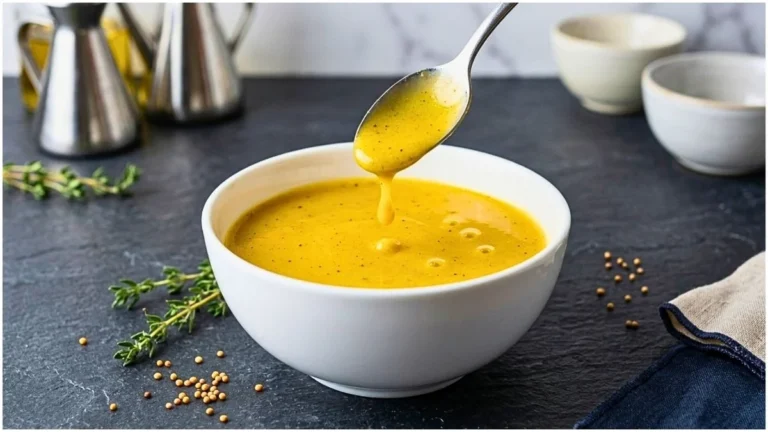

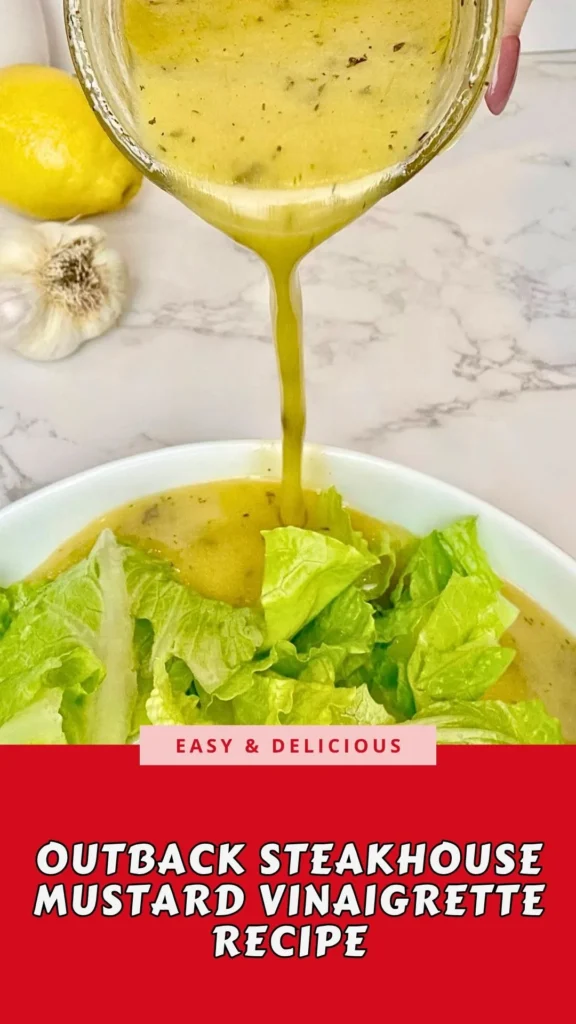
Ever sat down at Outback Steakhouse and wondered what makes their house salad dressing so irresistibly tangy and smooth? You are not alone. This Outback Steakhouse mustard vinaigrette recipe brings that bold, restaurant-quality flavor straight into your kitchen – no reservations required.
Made with pantry staples like Dijon mustard, white wine vinegar, and extra virgin olive oil, this copycat dressing comes together in under five minutes.
Whether you are drizzling it over a crisp garden salad, brushing it on grilled chicken, or using it as a dipping sauce, it delivers that signature balance of sharp, tangy, and savory that keeps fans coming back.
Why You’ll Love This Recipe
Bring the bold, tangy flavor of the famous restaurant dressing to your table in just minutes. This easy copycat recipe is fresh, versatile, and made with simple pantry ingredients.
- Ready in just 5 minutes.
- No cooking or special equipment required.
- Made with everyday pantry staples.
- Bold, tangy, restaurant-style flavor.
- Smooth, perfectly balanced homemade vinaigrette.
- Great for salads, marinades, and dipping.
- Easy to customize to your taste.
- Naturally gluten-free with simple ingredients.
- Stores well for quick weekday meals.
- Better value than store-bought dressings.
What Does Outback Steakhouse Mustard Vinaigrette Taste Like?
This dressing opens with a bright, tangy punch from the white wine vinegar, followed by the smooth, earthy depth of Dijon mustard. The minced garlic adds a subtle sharpness that rounds out each bite, while a touch of granulated sugar softens the acidity into a gentle, well-balanced finish.
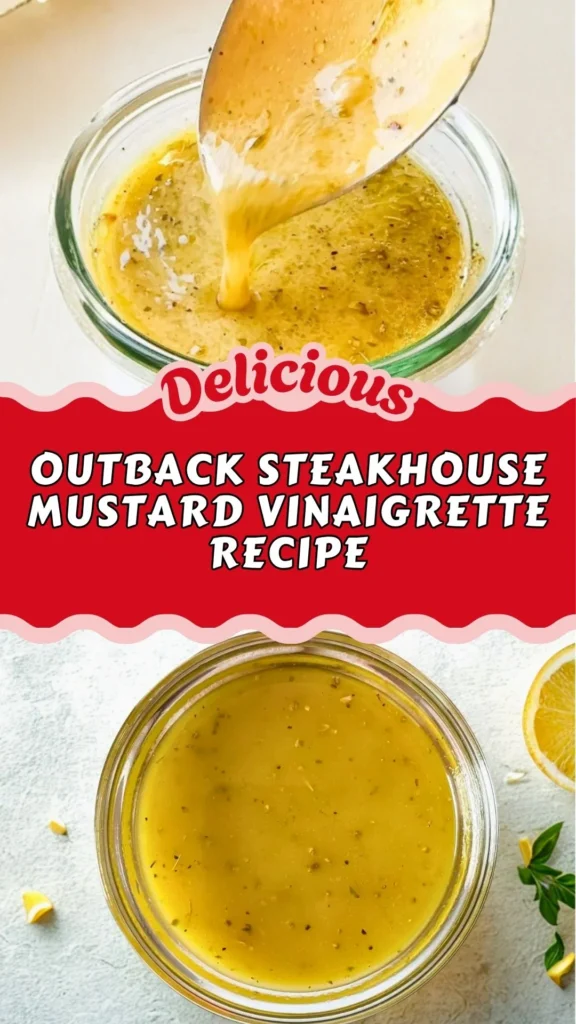
Extra virgin olive oil gives the vinaigrette a silky, slightly rich texture that coats every leaf beautifully.
The aroma is clean and herbaceous – a little sharp from the mustard, with a faint sweetness in the background. Overall, it is bold, bright, and layered – everything a great homemade salad dressing should be.
Outback Steakhouse Mustard Vinaigrette Recipe Ingredients
Gather all the following ingredients, before you start making this Outback Steakhouse Mustard Vinaigrette.
- 1 tablespoon Dijon mustard (about 25 grams)
- 1 garlic clove, minced
- ½ teaspoon granulated sugar
- ½ teaspoon salt
- ½ teaspoon black pepper
- 3 tablespoons white wine vinegar (45 ml)
- ½ cup extra virgin olive oil (125 ml)
Kitchen Tools / Utensils List
- Medium mixing bowl
- Whisk
- Garlic press, microplane, or sharp knife
- Measuring spoons
- Liquid measuring cup
- Airtight glass jar or container (for storage)
Preparation and Cooking Time
Preparation Time: 5 minutes
Cooking Time: 0 minutes
Total Time: 5 minutes
Servings: 4 to 6
Difficulty Level: Easy
How to make Outback Steakhouse Mustard Vinaigrette
Follow these simple steps in order for a perfectly emulsified, restaurant-style mustard vinaigrette – each one builds on the last to create that smooth, creamy consistency you love.
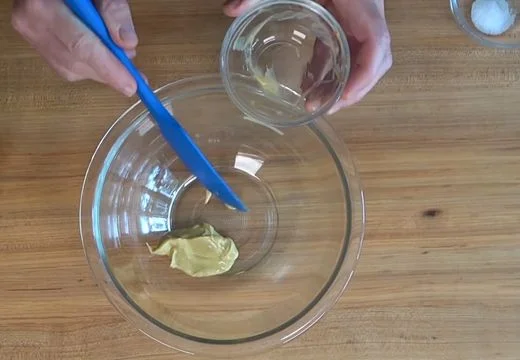
Step 1: Add the Mustard
In a medium mixing bowl, add the Dijon mustard. For extra texture and a slightly more complex flavor profile, swap in grainy whole-grain mustard instead.
Step 2: Prepare the Garlic
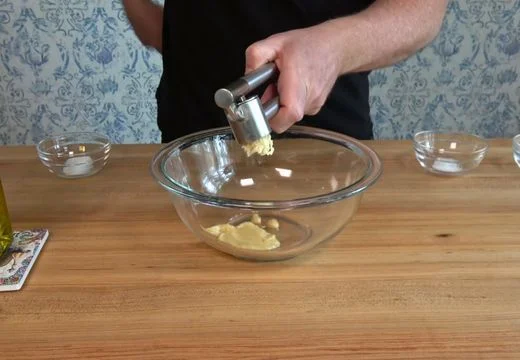
Mince the garlic clove using a garlic press, microplane, or sharp knife. If chopping by hand, smash the clove first with the flat side of your knife – this helps release the natural oils and deepens the flavor. Add the minced garlic to the bowl.
Step 3: Season the Dressing
Add the granulated sugar, salt, and black pepper to the bowl. Give everything a light stir to combine the dry seasonings with the mustard and garlic base.
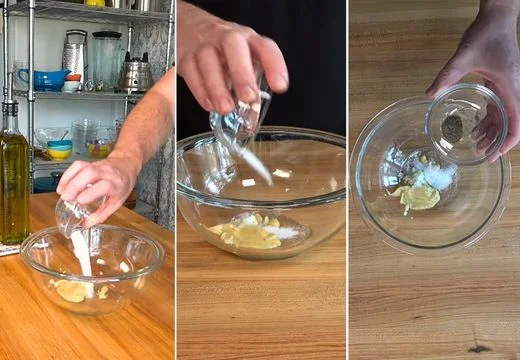
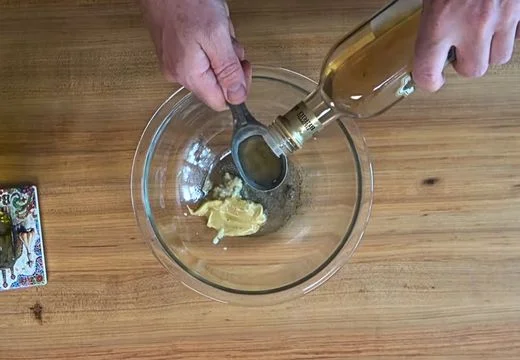
Step 4: Pour in the Vinegar
Add the white wine vinegar to the bowl and whisk all the ingredients together until smooth and fully blended.
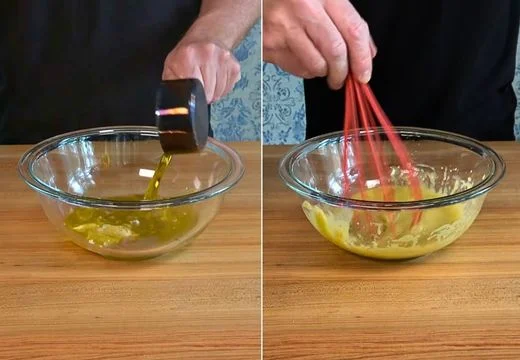
Step 5: Emulsify with Olive Oil
Slowly pour in the extra virgin olive oil in a thin, steady stream while whisking continuously. This gradual technique is the key to achieving that slightly creamy, emulsified texture. Keep whisking until the dressing is fully combined and glossy.
Step 6: Serve or Store
Use the vinaigrette immediately over your favorite salad, grilled proteins, or roasted vegetables.
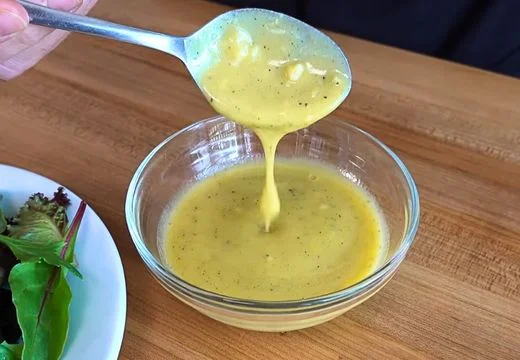
Transfer any leftovers to an airtight jar and refrigerate.
Customization & Serving Pairing Ideas for Outback Steakhouse Mustard Vinaigrette
This Outback Steakhouse mustard vinaigrette salad dressing recipe is one of those versatile, crowd-pleasing sauces that works far beyond the salad bowl. This recipe is versatile and easy to customize. Here are seven delicious ideas:
1. Classic House Salad Drizzle
Toss this homemade vinaigrette over mixed greens, cherry tomatoes, red onion, and shredded cheddar for a simple house salad that mirrors the Outback Steakhouse experience at home. Add croutons for crunch and you have a restaurant-quality starter in minutes.
2. Grilled Chicken Marinade
Use the mustard vinaigrette as a marinade for boneless chicken breasts or thighs. Let the chicken soak for 30 minutes before grilling – the vinegar tenderizes the meat while the Dijon and garlic infuse a deep, savory flavor that caramelizes beautifully on the grill.
3. Salmon Glaze
Brush the dressing generously over salmon fillets before baking or pan-searing. The mustard and olive oil create a lightly golden, flavor-packed crust that pairs perfectly with the richness of the fish.
4. Roasted Vegetable Drizzle
Drizzle the vinaigrette over roasted asparagus, broccoli, zucchini, or Brussels sprouts before serving. The acid from the vinegar brightens the natural sweetness of roasted vegetables and makes a simple side dish feel gourmet.
5. Grain Bowl Dressing
Spoon this tangy dressing over quinoa, farro, or brown rice bowls loaded with roasted chickpeas, avocado slices, and cucumber. It adds brightness and depth that transforms basic grains into a satisfying, nutritious meal.
6. Grainy Mustard Twist
Swap the Dijon for whole-grain mustard to give the dressing a rustic, textured finish with a slightly bolder flavor. This variation works especially well on heartier salads featuring spinach, roasted beets, walnuts, and goat cheese.
7. Pork Tenderloin Baste
Brush this copycat vinaigrette onto pork tenderloin during the last 10 minutes of roasting for a shiny, flavorful glaze. The sugar in the dressing caramelizes under heat, creating a slightly sweet and savory crust that is hard to resist.
Expert Cooking Tips for Outback Steakhouse Mustard Vinaigrette Recipe
Mastering this Outback mustard vinaigrette recipe comes down to a few key techniques that separate a flat, broken dressing from a silky, well-balanced one. Follow these expert tips for perfect results every time:
1. Emulsify Slowly for a Creamy Texture
The single most important step in making a great vinaigrette is adding the olive oil slowly. Pour it in a thin, steady stream while whisking constantly – this allows the oil and vinegar to bind together rather than separate. Rushing this step results in a greasy, broken dressing that lacks that smooth, restaurant-style finish.
2. Use Room-Temperature Ingredients
Cold olive oil emulsifies much more reluctantly than oil at room temperature. Before you start, let your olive oil and vinegar sit out for a few minutes. This small step makes whisking easier and produces a more cohesive, stable dressing.
3. Choose High-Quality Dijon Mustard
The mustard is the backbone of this dressing, so quality matters. A good French Dijon mustard like Maille or Grey Poupon has a sharper, more complex flavor than generic store brands. It also acts as a natural emulsifier, helping the oil and vinegar stay blended.
4. Smash the Garlic Before Mincing
Smashing the garlic clove with the flat side of your knife before mincing releases allicin – the compound responsible for garlic’s bold, savory depth. Finely minced or microplaned garlic distributes more evenly through the dressing, giving you consistent flavor in every bite rather than sharp bursts.
5. Taste and Adjust Before Serving
Every palate is different, and the balance of acidity, sweetness, and salt can be adjusted to your preference. After whisking, taste the dressing with a piece of lettuce – not a spoon – to get an accurate sense of how it will actually taste on the salad. Add a pinch more sugar to soften the tang, or a splash more vinegar to brighten it up.
6. Shake Before Each Use
Even a well-emulsified vinaigrette will naturally separate in the refrigerator over time. Store yours in a glass jar with a tight lid and shake vigorously for 10 to 15 seconds before each use. This re-emulsifies the dressing without any extra whisking or mess.
7. Do Not Over-Season with Salt Upfront
Dressings intensify as they sit, and over-salted vinaigrettes become noticeably sharp after a day in the fridge. Start with the recommended ½ teaspoon of salt and adjust only after tasting. If you are using the dressing on already-seasoned proteins or salty cheeses, consider reducing the salt slightly to keep the overall dish balanced.
Storage & Reheating Guidance
Transfer leftover mustard vinaigrette to an airtight glass jar and refrigerate for up to one week. The dressing will naturally separate in the fridge – simply shake well before each use to re-emulsify. This recipe is served at room temperature and requires no reheating. If the oil solidifies slightly when cold, let the jar sit at room temperature for five minutes before shaking.
Nutrition Information
Serving Size: Approximately 2 tablespoons
Servings Per Recipe: 4–6
Estimated Nutrition Per Serving:
- Calories: 185
- Total Fat: 20g
- Saturated Fat: 3g
- Unsaturated Fat: 17g
- Cholesterol: 0mg
- Sodium: 300mg
- Total Carbohydrates: 2g
- Dietary Fiber: 0g
- Total Sugars: 1g
- Added Sugars: 1g
- Protein: 0g
Nutrition Note: Values are estimates and may vary depending on the brands of ingredients used and serving size.
Outback Steakhouse Mustard Vinaigrette Recipe
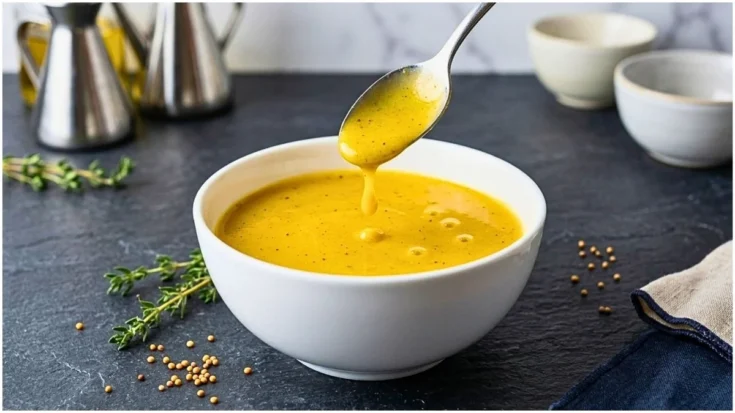
Ever sat down at Outback Steakhouse and wondered what makes their house salad dressing so irresistibly tangy and smooth? You are not alone. This Outback Steakhouse mustard vinaigrette recipe brings that bold, restaurant-quality flavor straight into your kitchen – no reservations required.
Ingredients
- 1 tablespoon Dijon mustard
- 1 garlic clove
- ½ teaspoon granulated sugar
- ½ teaspoon salt
- ½ teaspoon black pepper
- 3 tablespoons white wine vinegar (45 ml)
- ½ cup extra virgin olive oil (125 ml)
Instructions
Step 1: Add the Mustard
In a medium mixing bowl, add the Dijon mustard. For extra texture and a slightly more complex flavor profile, swap in grainy whole-grain mustard instead.
Step 2: Prepare the Garlic
Mince the garlic clove using a garlic press, microplane, or sharp knife. If chopping by hand, smash the clove first with the flat side of your knife – this helps release the natural oils and deepens the flavor. Add the minced garlic to the bowl.
Step 3: Season the Dressing
Add the granulated sugar, salt, and black pepper to the bowl. Give everything a light stir to combine the dry seasonings with the mustard and garlic base.
Step 4: Pour in the Vinegar
Add the white wine vinegar to the bowl and whisk all the ingredients together until smooth and fully blended.
Step 5: Emulsify with Olive Oil
Slowly pour in the extra virgin olive oil in a thin, steady stream while whisking continuously. This gradual technique is the key to achieving that slightly creamy, emulsified texture. Keep whisking until the dressing is fully combined and glossy.
Step 6: Serve or Store
Use the vinaigrette immediately over your favorite salad, grilled proteins, or roasted vegetables. Transfer any leftovers to an airtight jar and refrigerate.
Notes
Transfer leftover mustard vinaigrette to an airtight glass jar and refrigerate for up to one week. The dressing will naturally separate in the fridge – simply shake well before each use to re-emulsify. This recipe is served at room temperature and requires no reheating. If the oil solidifies slightly when cold, let the jar sit at room temperature for five minutes before shaking.
Nutrition Information:
Yield:
6Serving Size:
1Amount Per Serving: Calories: 185
Common Queries and FAQs
When you give this Outback Steakhouse Mustard Vinaigrette Recipe a try, you might have a few questions. Don’t worry-we’ve rounded up answers to the most common ones to help you out.
What is Outback Steakhouse mustard vinaigrette made of?
The Outback Steakhouse mustard vinaigrette is made from Dijon mustard, minced garlic, granulated sugar, salt, black pepper, white wine vinegar, and extra virgin olive oil. These simple pantry ingredients are whisked together to create a tangy, slightly creamy salad dressing.
How do you keep a mustard vinaigrette from separating?
Add the olive oil slowly in a thin stream while whisking continuously – this creates an emulsion that holds together. Dijon mustard also acts as a natural emulsifier, helping stabilize the dressing. If it separates in the fridge, a good shake before serving will bring it back together.
Can I use red wine vinegar instead of white wine vinegar?
Yes, you can substitute red wine vinegar for white wine vinegar. Red wine vinegar has a slightly deeper, more robust flavor, while white wine vinegar is lighter and more delicate. Either works well, but white wine vinegar stays truest to the original Outback-style dressing.
Is this mustard vinaigrette gluten-free?
All of the ingredients in this recipe – Dijon mustard, garlic, sugar, salt, black pepper, white wine vinegar, and olive oil – are naturally gluten-free. However, always check your Dijon mustard label, as some brands may contain trace gluten from manufacturing facilities.
Can I make this dressing without a whisk?
Absolutely. You can shake all the ingredients together in a tightly sealed glass jar for a quick, hands-free emulsification. You can also blend the ingredients in a small food processor or blender for an even smoother, creamier result.
How many calories are in homemade mustard vinaigrette?
Each serving of this homemade mustard vinaigrette contains approximately 140 to 160 calories, depending on the exact serving size. The majority of calories come from the extra virgin olive oil, which provides heart-healthy monounsaturated fats.
Can I use this dressing as a marinade?
Yes. This vinaigrette works beautifully as a marinade for chicken, pork, salmon, and vegetables. The acid from the white wine vinegar acts as a natural tenderizer, while the mustard and garlic infuse the protein with deep, savory flavor. Marinate for at least 30 minutes before cooking.
This Outback Steakhouse mustard vinaigrette copycat proves that restaurant-quality flavor does not require a reservation – just five minutes and a handful of pantry staples. With its bright, tangy backbone and silky, well-balanced finish, this homemade dressing is destined to become a weekly staple in your kitchen.
Make a batch, store it in the fridge, and use it all week long on salads, grilled proteins, grain bowls, and roasted vegetables. Once you try it, the bottled stuff will never compare. Now grab your whisk and get drizzling!
We’d love to hear how this recipe turns out for you! Give it a try, then drop a comment below to share your thoughts and tips with us. You can also follow us on Pinterest, and YouTube for more delicious updates and kitchen inspiration. Your feedback and support mean the world to us!