
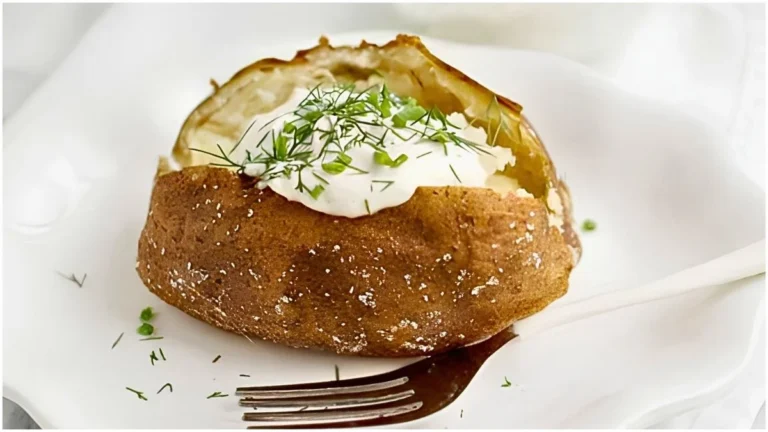

Having dined at Outback Steakhouse, you know their baked potato is no ordinary side dish. The Outback Steakhouse baked potato recipe delivers a gloriously crispy, salt-crusted skin with a fluffy, steaming interior that rivals anything you can order at the restaurant.
Now you can recreate that iconic Outback baked potato experience right in your own kitchen – no reservation required.
With just three humble ingredients and a straightforward baking method, this Outback baked potato recipe produces a showstopping side dish worthy of any steak night. Once you try it, you will never bake a potato the same way again.
What Does Outback Steakhouse Baked Potato Taste Like?
The Outback Steakhouse loaded baked potato experience is all about contrast. The outer skin is shatteringly crisp, generously seasoned with coarse kosher salt that delivers a bold, savory crunch in every bite.
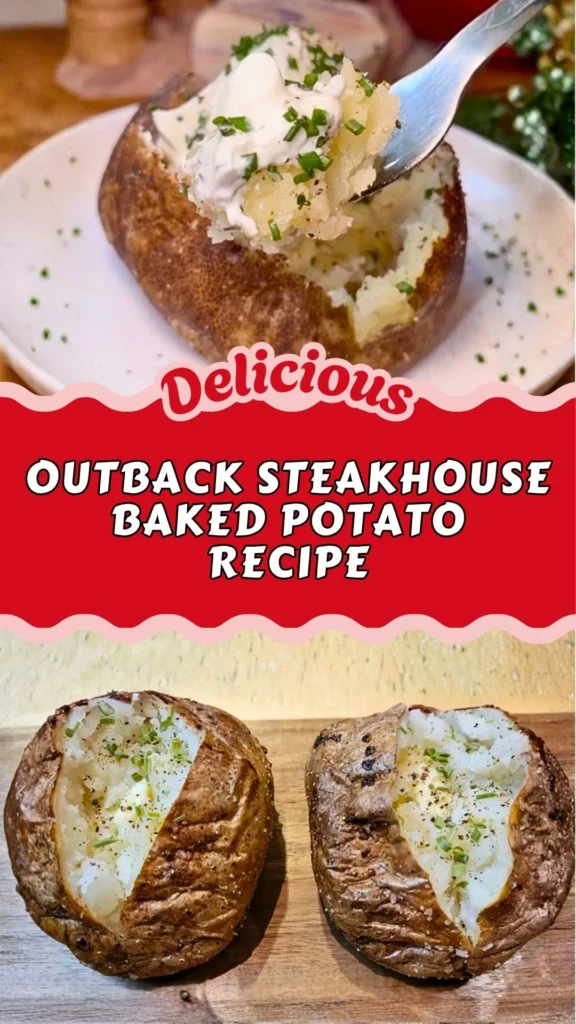
Break through that crust and you are greeted by a cloud-like, pillowy interior – light, steamy, and mildly earthy in the best possible way. The natural starchy sweetness of the russet potato shines through, beautifully balanced by the salty shell.
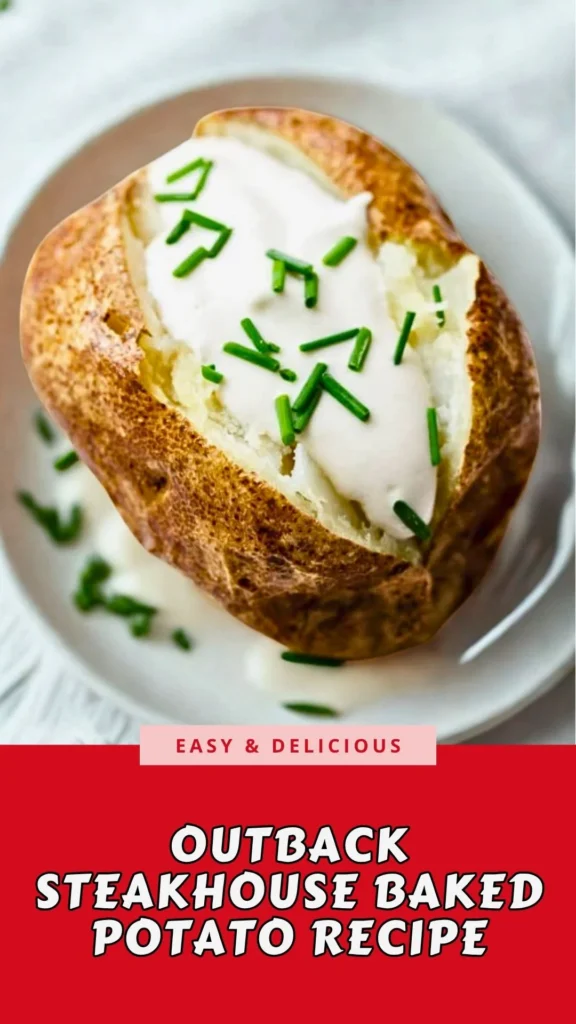
Finish it with cold, creamy sour cream, a pat of melting butter, and fresh chives, and you have a side dish that is rich, satisfying, and deeply comforting.
Outback Steakhouse Baked Potato Recipe Ingredients
Gather all the following ingredients, before you start making this Outback Steakhouse Baked Potato.
For the Potatoes:
- 3 large russet potatoes (about ½ pound / 225g each)
- 3 tablespoons vegetable oil
- 2–3 tablespoons kosher salt
Optional Toppings:
- 3 tablespoons butter
- ½ cup sour cream
- 2 tablespoons chopped fresh chives
Kitchen Tools / Utensils List
- Oven
- Baking sheet or oven rack
- Small bowl
- Paper towels
- Clean kitchen towel or oven mitts
- Fork
- Sharp knife
Preparation and Cooking Time
Preparation Time: 10 minutes
Cooking Time: 60 minutes
Total Time: 70 minutes
Servings: 3
Difficulty: Easy
Why This Outback-Style Baked Potato Works
A great baked potato is all about the contrast between the exterior and interior.
Russet potatoes are ideal because their high-starch, relatively dry flesh becomes light and fluffy when baked.
Vegetable oil creates a thin coating over the skin and helps the salt adhere while encouraging the exterior to brown.
Kosher salt provides larger crystals that remain noticeable on the skin instead of disappearing as quickly as fine table salt.
Baking uncovered allows moisture to escape from the skin. This helps the outside become crisp rather than soft and steamed.
A moderate oven temperature gives a large potato enough time to cook through without requiring an excessively hot oven.
What Makes an Outback-Style Baked Potato Different?
An Outback-style baked potato is all about the contrast between crispy, salty skin and a soft, fluffy center. This copycat version uses large russet potatoes because their high starch content and relatively low moisture help create the light, fluffy texture you want from a classic baked potato.
The potatoes are thoroughly dried, lightly coated with vegetable oil, and generously seasoned with kosher salt before baking uncovered at 350°F (175°C). Drying the skin helps it brown, while the oil helps the salt stick and encourages a crisp exterior. Baking without foil allows surface moisture to escape, whereas foil tends to trap steam and produce softer skin.
Once tender, the potatoes are split open and fluffed with a fork before adding butter, sour cream, cheese, chives, bacon, or other toppings. The result is a simple steakhouse-style baked potato with a crisp, savory exterior and a warm, airy center. This is a copycat Outback-style method, rather than a claim about Outback Steakhouse’s proprietary preparation.
How to Make Outback-Style Baked Potatoes
Follow these simple step-by-step instructions to make the best copycat Outback Steakhouse baked potato recipe with crispy salted skin and a fluffy, restaurant-style center.
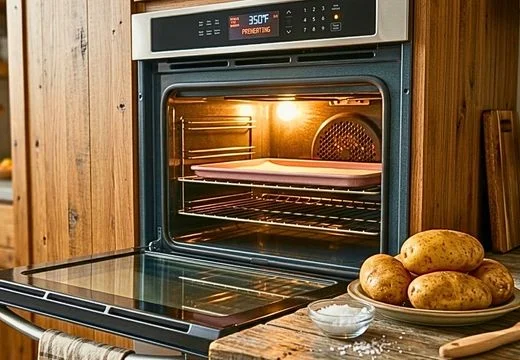
Step 1: Preheat the Oven
Preheat your oven to 350°F (175°C) so it is fully heated before the potatoes go in. Starting with a properly preheated oven helps the potatoes cook evenly and develop that signature crispy, salty skin.
Step 2: Prepare the Potatoes
Wash and scrub each large russet potato thoroughly under running water to remove any dirt, then pat them completely dry with a clean towel. Do not pierce the potatoes with a fork or knife – keeping the skin intact helps trap the natural moisture inside for a light and fluffy texture.

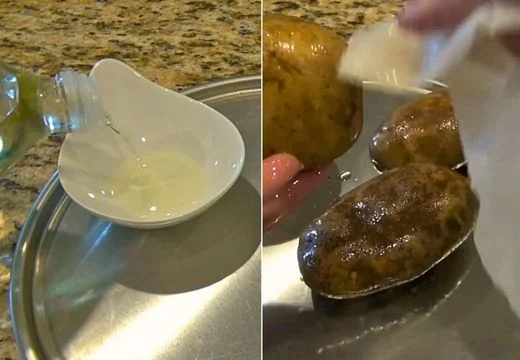
Step 3: Coat with Oil
Pour 1 tablespoon of vegetable oil into a small bowl for each potato. Using a paper towel, rub the oil evenly over the entire surface of each potato until fully coated. This layer of oil helps the kosher salt adhere and also keeps the inside soft and fluffy while baking.
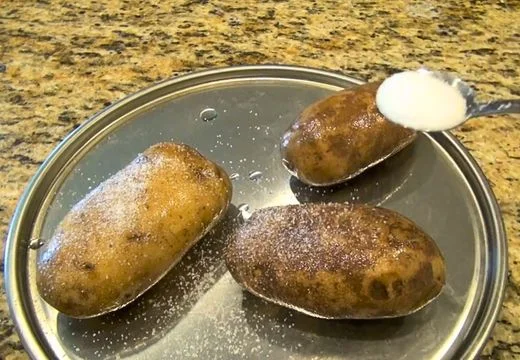
Step 4: Add the Salt Crust
Sprinkle 1 to 2 teaspoons of kosher salt generously over all sides of each oiled potato. Make sure every potato is well coated, as this creates the delicious salty crust that makes it taste just like the restaurant-style version.
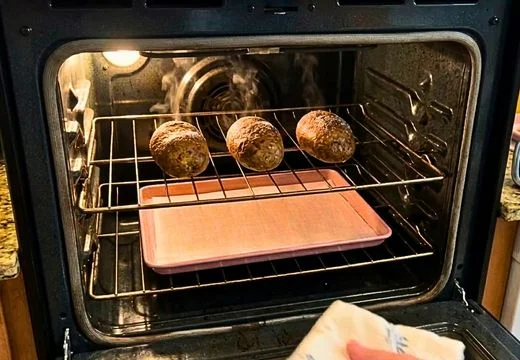
Step 5: Bake the Potatoes
Place the potatoes directly on the oven rack or on a baking sheet and bake for about 60 minutes. Each potato should be tender when gently squeezed with a towel or oven mitt, and the skin should look crisp with a lightly browned bottom.
Step 6: Slice and Serve
Carefully remove the potatoes from the oven and let them cool for a few minutes.
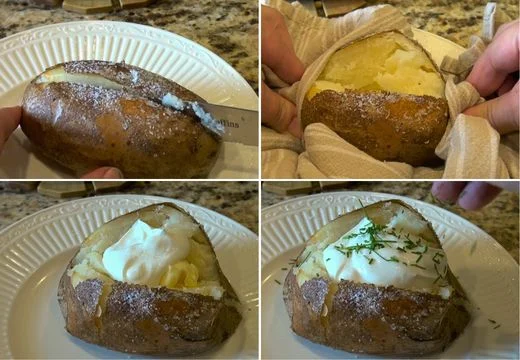
Slice each one open lengthwise, fluff the inside with a fork, and top generously with butter, sour cream, and chopped chives – or any toppings you love – before serving hot.
How to Get Crispy Baked Potato Skin
If crispy skin is your goal, these details make the biggest difference.
Dry the skin completely
Don’t oil the potatoes immediately after washing them. Remove as much surface moisture as possible first.
Don’t wrap them in foil
Foil traps moisture around the potato and can leave the skin softer. For a crisp exterior, bake the potatoes uncovered.
Use a thin layer of oil
Too much oil can make the skin greasy rather than pleasantly crisp. You only need enough to cover the surface.
Season after oiling
The oil gives the kosher salt something to cling to and helps distribute the seasoning over the skin.
Give the potatoes room
Avoid packing several potatoes tightly together. Air circulation around the potatoes helps the skins cook more evenly.
Customization & Serving Pairing Ideas for Outback Steakhouse Baked Potato
The Outback baked potato is beloved not just for its crispy salt crust, but also for how incredibly versatile it is as a side or even a standalone meal. Whether you are recreating a full Outback Steakhouse loaded baked potato recipe spread at home or putting your own creative spin on things, these seven ideas will inspire you.
This recipe is versatile and easy to customize. Here are seven delicious ideas:
1. Classic Loaded Baked Potato
Go all-in with the full steakhouse experience. Pile on shredded cheddar cheese, crispy bacon crumbles, sour cream, butter, and a generous sprinkle of fresh chives. This is the gold standard loaded version and it never disappoints.
2. Broccoli and Cheddar
Steam or roast florets of broccoli and spoon them over the fluffed potato along with a generous drizzle of creamy cheddar cheese sauce. It is a hearty, vegetarian-friendly option that turns this side into a full meal.
3. Pulled Pork or Brisket Topper
Leftover barbecue? Pile smoky pulled pork or sliced brisket right over the top, finished with a spoonful of coleslaw and a drizzle of your favorite BBQ sauce. This is a crowd-pleasing, filling combination perfect for game day.
4. Greek-Style Baked Potato
Skip the sour cream and instead top with Greek yogurt, crumbled feta cheese, diced cucumber, cherry tomatoes, and a drizzle of olive oil. Finish with fresh dill for a bright Mediterranean twist.
5. Pair it Alongside Steak
The most iconic pairing – serve your crispy Outback-style baked potato alongside a grilled ribeye, sirloin, or filet mignon, just as the restaurant does. The rich, buttery potato perfectly complements the savory char of a well-seasoned steak.
6. Tex-Mex Style
Top with seasoned black beans, pico de gallo, shredded pepper jack cheese, sliced jalapeños, and a dollop of sour cream. A squeeze of fresh lime juice brightens everything up and makes it feel like an entirely new dish.
7. Mushroom and Swiss Cream Topping
Sauté sliced mushrooms in butter with garlic until golden, then spoon them over the potato with melted Swiss cheese and a touch of fresh thyme. It is an elegant, savory topping that feels gourmet with minimal effort.
Expert Cooking Tips for the Best Outback Steakhouse Baked Potato Recipe
Mastering the Outback Steakhouse baked potato recipe at home comes down to a few simple but critical techniques that professional cooks swear by. These are the same principles that give restaurant-style baked potatoes their unbeatable crispy skin and perfectly fluffy interior.
Follow these expert tips for perfect results every time:
1. Always Choose Russet Potatoes
Russet potatoes have a high starch content and thick skin that is uniquely suited to baking. Other varieties like Yukon Gold or red potatoes have a waxier texture and thinner skin that will not deliver that same fluffy, airy interior and crispy crust the Outback version is famous for.
2. Dry Your Potatoes Thoroughly
After washing, make absolutely sure each potato is completely dry before applying the oil. Any lingering moisture trapped under the oil will steam the skin rather than crisp it, giving you a soft, pale exterior instead of that gorgeous crunchy shell.
3. Do Not Pierce the Skin
This is the step that surprises most home cooks. Unlike many conventional baked potato recipes, the Outback baked potato method skips piercing entirely. Keeping the skin intact traps steam inside, which is what creates that light, cloud-like interior texture that steakhouse potatoes are known for.
4. Use Kosher Salt – Not Table Salt
Kosher salt has larger, coarser crystals that cling to the oiled skin and create a visible, crunchy salt crust. Table salt is too fine – it dissolves into the oil and disappears without giving you that satisfying textural contrast on the exterior.
5. Bake Directly on the Oven Rack
Placing the potatoes directly on the oven rack (rather than on a solid baking sheet) allows hot air to circulate completely around every surface. This ensures even, all-around crisping – including the bottom – for a uniformly crunchy skin.
6. Do Not Open the Oven Door Repeatedly
Every time you open the oven, you release heat and interrupt the baking process. Trust the 60-minute cook time. To check for doneness, give the potato a gentle squeeze with an oven mitt – it should yield slightly and feel soft all the way through.
7. Let It Rest Before Serving
Allow your baked potatoes to rest for 3 to 5 minutes after pulling them from the oven before slicing. This short rest lets the steam redistribute inside, making the interior even fluffier and easier to fluff with a fork when you open it up.
How to Store and Reheat Baked Potato
Store leftover baked potatoes in an airtight container in the refrigerator for up to 4 days. To reheat, place directly on the oven rack at 350°F (175°C) for 15 to 20 minutes until the skin crisps back up. Avoid microwaving, as it softens the skin significantly. Add fresh toppings after reheating for best results.
Outback Steakhouse Baked Potato Nutrition Information
Nutrition Information (Per Serving)
- Calories: Approximately 310 kcal
- Carbohydrates: 51g
- Protein: 6g
- Fat: 10g
- Saturated Fat: 2g
- Cholesterol: 5mg (with butter)
- Sodium: Varies depending on salt and toppings
- Fiber: 4g
- Sugar: 2g
- Potassium: Approximately 1,100mg
- Vitamin C: 18% Daily Value
- Calcium: 4% Daily Value
- Iron: 10% Daily Value
Note: Nutrition values are estimates and will vary depending on the toppings and ingredients used.
Outback Steakhouse Baked Potato Recipe
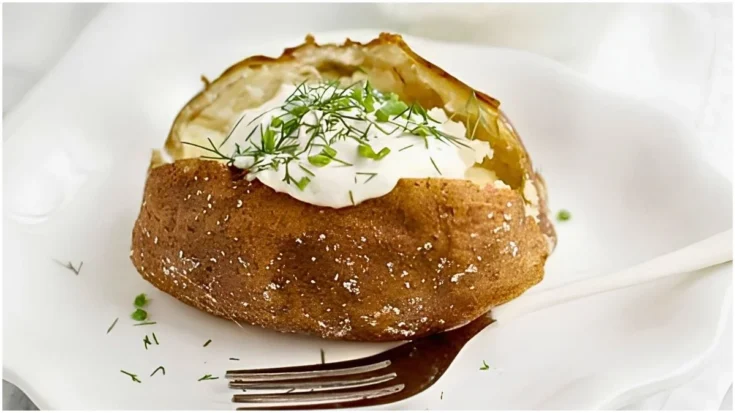
Having dined at Outback Steakhouse, you know their baked potato is no ordinary side dish. The Outback Steakhouse baked potato recipe delivers a gloriously crispy, salt-crusted skin with a fluffy, steaming interior that rivals anything you can order at the restaurant.
Ingredients
- 3 large russet potatoes
- 3 tablespoons vegetable oil
- 2–3 tablespoons kosher salt
- 3 tablespoons butter
- ½ cup sour cream
- 2 tablespoons chopped fresh chives
Instructions
Step 1: Preheat the Oven
Preheat your oven to 350°F (175°C) so it is fully heated before the potatoes go in. Starting with a properly preheated oven helps the potatoes cook evenly and develop that signature crispy, salty skin.
Step 2: Prepare the Potatoes
Wash and scrub each large russet potato thoroughly under running water to remove any dirt, then pat them completely dry with a clean towel. Do not pierce the potatoes with a fork or knife – keeping the skin intact helps trap the natural moisture inside for a light and fluffy texture.
Step 3: Coat with Oil
Pour 1 tablespoon of vegetable oil into a small bowl for each potato. Using a paper towel, rub the oil evenly over the entire surface of each potato until fully coated. This layer of oil helps the kosher salt adhere and also keeps the inside soft and fluffy while baking.
Step 4: Add the Salt Crust
Sprinkle 1 to 2 teaspoons of kosher salt generously over all sides of each oiled potato. Make sure every potato is well coated, as this creates the delicious salty crust that makes it taste just like the restaurant-style version.
Step 5: Bake the Potatoes
Place the potatoes directly on the oven rack or on a baking sheet and bake for about 60 minutes. Each potato should be tender when gently squeezed with a towel or oven mitt, and the skin should look crisp with a lightly browned bottom.
Step 6: Slice and Serve
Carefully remove the potatoes from the oven and let them cool for a few minutes. Slice each one open lengthwise, fluff the inside with a fork, and top generously with butter, sour cream, and chopped chives – or any toppings you love – before serving hot.
Notes
Store leftover baked potatoes in an airtight container in the refrigerator for up to 4 days. To reheat, place directly on the oven rack at 350°F (175°C) for 15 to 20 minutes until the skin crisps back up. Avoid microwaving, as it softens the skin significantly. Add fresh toppings after reheating for best results.
Nutrition Information:
Yield:
3Serving Size:
1Amount Per Serving: Calories: 310
Common Queries and FAQs About Outback Steakhouse Baked Potato Recipe
When you give this Outback Steakhouse Baked Potato Recipe a try, you might have a few questions. Don’t worry-we’ve rounded up answers to the most common ones to help you out.
What kind of potato is best for an Outback-style baked potato?
Large russet potatoes are the best choice for this recipe. Their starchy interior becomes light and fluffy during baking, while their thicker skins can become nicely crisp.
What temperature does Outback Steakhouse bake their potatoes at?
Outback Steakhouse bakes their potatoes at 350°F (175°C). While many home recipes call for higher temperatures like 400°F or 425°F, the lower and slower approach used in this recipe allows the potato to cook through evenly while developing a perfectly crispy exterior without burning the salt crust.
Why should you not pierce a baked potato before baking?
Not piercing the potato keeps the skin fully intact, which acts as a natural seal that traps steam inside the potato as it bakes. This steam is what transforms the interior into that signature light, airy, fluffy texture. Piercing the potato releases that steam, which can result in a denser, less tender inside. For the Outback-style result, skipping the fork entirely is essential.
What toppings go with an Outback-style baked potato?
Classic toppings include butter, sour cream, shredded cheddar cheese, crispy bacon, and chopped chives. For extra flavor, you can also add black pepper, green onions, or a sprinkle of Parmesan. If you want to turn the baked potato into a more filling meal, try topping it with broccoli and cheddar, pulled pork, grilled chicken, sautéed mushrooms, or chili. Add your toppings after splitting and fluffing the hot potato so the butter melts into the fluffy center.
Can I make Outback-style baked potatoes ahead of time?
Yes, you can bake the potatoes ahead of time and store them in the refrigerator for up to four days. For best results, reheat them in the oven at 350°F rather than in the microwave to help restore the crispiness of the skin. Hold off on adding toppings like sour cream, butter, or chives until just before serving.
Can I use olive oil instead of vegetable oil for the Outback baked potato recipe?
You can substitute olive oil, and it will still produce a delicious result. However, vegetable oil has a more neutral flavor and a higher smoke point, which is why it is preferred in this recipe. Olive oil will impart a slightly richer flavor to the skin and works particularly well if you enjoy that taste profile.
How do I know when a baked potato is fully cooked?
The most reliable test is to gently squeeze the potato using a folded kitchen towel or oven mitt – if it yields easily and feels soft throughout with no firm spots, it is done. You can also insert a thin skewer or paring knife into the center; if it slides in without resistance, the potato is fully cooked. The total baking time at 350°F is approximately 60 minutes for a large russet potato.
Why is my baked potato skin not crispy?
The most common causes are excess moisture, too much oil, wrapping the potato in foil, overcrowding, or removing the potato before the skin has had enough time to brown.
Make sure the potatoes are thoroughly dry and bake them uncovered.
Why is my baked potato still hard inside?
The potato probably needs more cooking time. Potato size has a major effect on cooking time. Return it to the oven for another 5–10 minutes and test the center again.
Can I freeze baked potatoes?
You can freeze cooked potato flesh, although the texture can change after freezing and thawing. For the best baked-potato texture, refrigeration and reheating within a few days are preferable.
The Outback Steakhouse baked potato recipe is living proof that the most unforgettable restaurant dishes are often the simplest ones done exceptionally well. With just russet potatoes, vegetable oil, and kosher salt – plus a few expert techniques – you can recreate that iconic crispy, salty crust and cloud-like interior right in your own oven.
Whether you serve it loaded with all the classic toppings or keep it deliciously simple, this is a side dish that will earn a permanent place in your cooking rotation. Give it a try tonight and taste the steakhouse difference for yourself.
We’d love to hear how this recipe turns out for you! Give it a try, then drop a comment below to share your thoughts and tips with us. You can also follow us on Pinterest, and YouTube for more delicious updates and kitchen inspiration. Your feedback and support mean the world to us!