
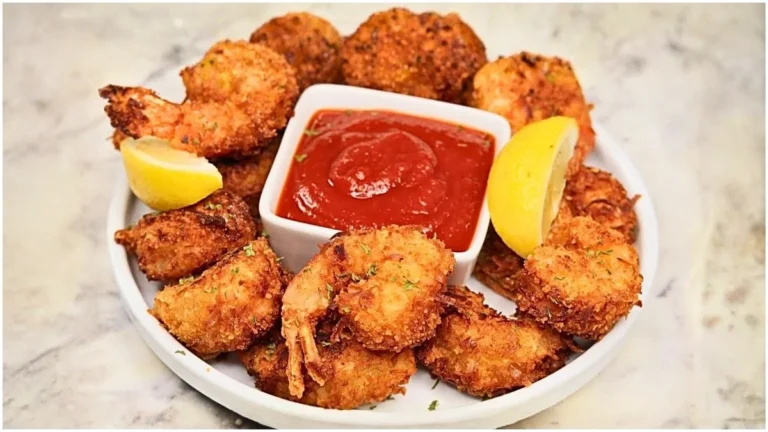

If you’ve ever savored the iconic Outback Steakhouse coconut shrimp, you already know it’s one of those unforgettable appetizers that keeps you coming back for more. The great news? You can recreate that same restaurant-quality experience right in your own kitchen.
This Outback Steakhouse coconut shrimp recipe delivers everything you love – a golden, shatteringly crispy crust packed with sweet coconut flavor and juicy, tender shrimp inside.
Whether you’re hosting a party, planning a family dinner, or simply craving something indulgent, this Outback coconut shrimp recipe is fast, foolproof, and absolutely irresistible. Let’s get cooking.
What Does Outback Steakhouse Coconut Shrimp Taste Like?
Every bite of this Outback coconut shrimp is a celebration of contrasting textures and flavors. The outer crust is gloriously crunchy – golden-brown panko and toasted coconut flakes working together to create a satisfying crackle with every bite.
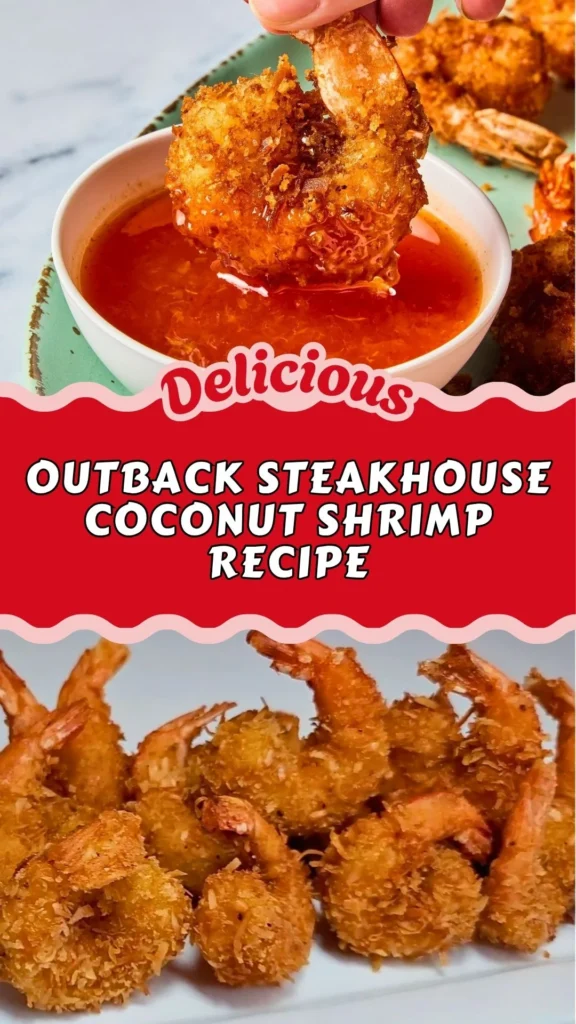
Beneath that crispy shell, the shrimp is tender, succulent, and perfectly seasoned with gentle warmth from paprika and garlic. The sweetness of the coconut plays beautifully against the savory seasoned coating, while the bright tang of cocktail sauce ties everything together.
It smells like a beachside restaurant – warm, coconutty, and inviting. This is comfort food with a tropical soul.
Outback Steakhouse Coconut Shrimp Recipe Ingredients
Gather all the following ingredients, before you start making this Outback Steakhouse Coconut Shrimp.
For the Shrimp:
- 1 pound large shrimp, peeled and deveined, tails on
For the Coconut Coating:
- 1 cup sweetened coconut flakes
- 1 cup plain panko breadcrumbs
The Seasoned Flour:
- 1 cup all-purpose flour
- 1 teaspoon salt
- 1 teaspoon black pepper
- 1 teaspoon garlic powder
- 1 teaspoon paprika
- ½ teaspoon onion powder
The Egg Wash:
- 2 large eggs
- 2 tablespoons water
Frying & Serving:
- Peanut oil, for frying (or vegetable oil as substitute)
- Cocktail sauce, for serving
Kitchen Tools & Utensils List
- 3 shallow bowls (for flour, egg wash, and coconut coating)
- Deep skillet or frying pan
- Cooking thermometer (to monitor oil temperature)
- Tongs or a spider strainer
- Paper towels and a wire rack or plate for draining
- Whisk
- Measuring cups and spoons
Preparation and Cooking Time
Preparation Time: 15 minutes
Cooking Time: 15 minutes
Total Time: 30 minutes
Servings: 4 servings
Difficulty: Easy
Copycat Outback Steakhouse Coconut Shrimp Recipe
Follow these simple step-by-step instructions to make crispy, golden Outback Steakhouse coconut shrimp at home with perfect restaurant-quality results.
Step 1: Prepare the Coconut Coating
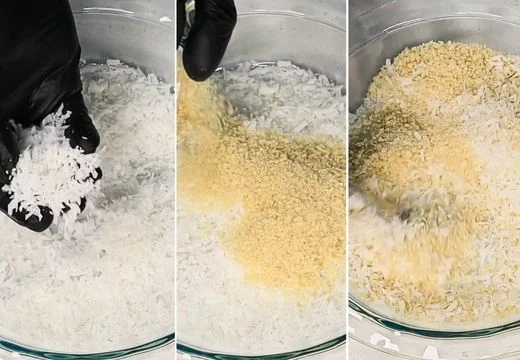
In a shallow bowl, combine the sweetened coconut flakes and plain panko breadcrumbs. Stir everything together until the mixture is evenly blended. This coating gives the shrimp its signature crispy texture and sweet coconut flavor, just like the restaurant version.
Step 2: Season the Flour
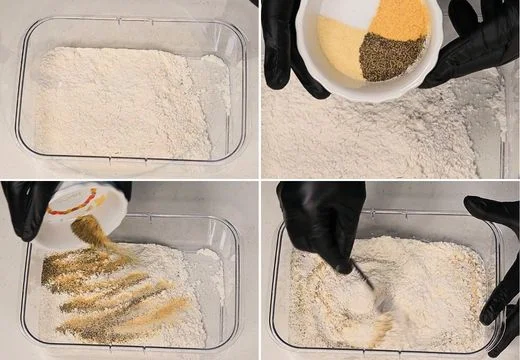
Take another shallow bowl and add the all-purpose flour. Mix in the salt, black pepper, garlic powder, paprika, and onion powder. Stir well so the seasonings are evenly distributed throughout the flour. This seasoned flour layer helps add flavor directly to the shrimp.
Step 3: Make the Egg Wash
In a separate bowl, crack the eggs and add the water. Whisk until the mixture is smooth and fully combined. The egg wash acts as the glue that helps the coconut coating stick perfectly to each shrimp.
Step 4: Bread the Shrimp
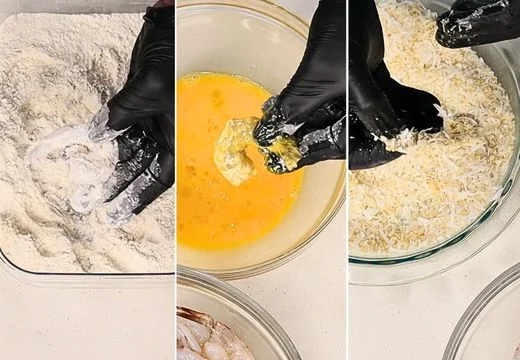
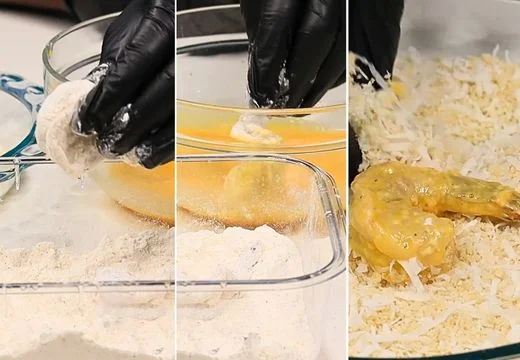
Dip each shrimp first into the seasoned flour, making sure it is fully coated, then gently shake off any excess. Next, dip it into the egg wash, allowing the extra to drip off. Finally, press the shrimp into the coconut and panko mixture, coating it well on all sides. Gently press the coating onto the shrimp so it sticks nicely. Repeat this process until all shrimp are breaded.
Step 5: Heat the Oil
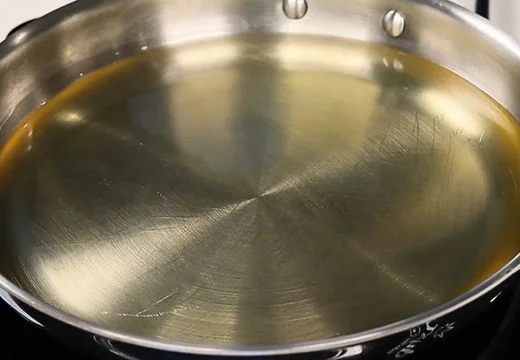
Pour peanut oil into a deep skillet or frying pan, making sure there is enough for shallow frying. Heat the oil to 350°F (175°C). If you do not have peanut oil, vegetable oil works well too. Make sure the oil is hot before adding the shrimp for the best crispy result.
Step 6: Fry the Shrimp
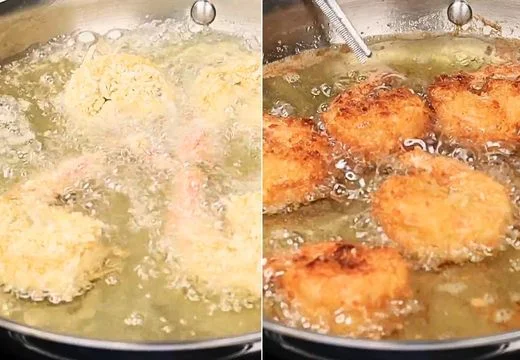
Carefully place the breaded shrimp into the hot oil in batches, being careful not to overcrowd the pan. Fry for about 2 to 3 minutes per side, or until they turn golden brown and crispy. Since the coconut flakes can brown quickly, keep a close eye on them and flip as soon as one side becomes golden.
Step 7: Drain and Serve
Once fully cooked, transfer the shrimp to a plate lined with paper towels to drain any excess oil. Let them rest for a minute, then serve them hot with cocktail sauce on the side for dipping.
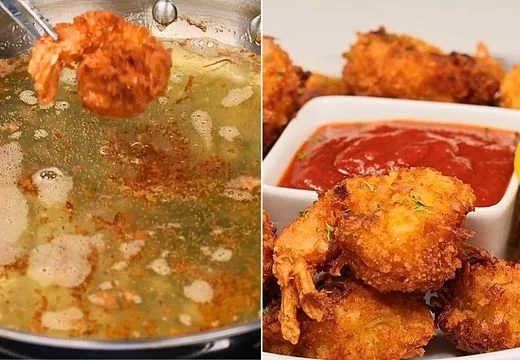
Enjoy them while warm for the best crunchy texture and flavor.
Customization & Serving Pairing Ideas for Outback Steakhouse Coconut Shrimp
This Outback Steakhouse coconut shrimp copycat recipe is one of those dishes that adapts effortlessly to different occasions, palates, and creative cravings. Whether you’re preparing it as a crowd-pleasing appetizer or a fun weeknight dinner, there’s plenty of room to make it your own.
This recipe is versatile and easy to customize. Here are seven delicious ideas:
1. Swap the Dipping Sauce for a Tropical Mango Chutney
Instead of classic cocktail sauce, try serving your outback coconut shrimp with a homemade mango chutney or sweet chili sauce. The fruity sweetness and gentle heat create an incredible contrast with the crispy coconut crust, taking this dish to a whole new level.
2. Make It a Coconut Shrimp Taco Night
Stuff your golden-fried shrimp into warm flour tortillas with crunchy shredded cabbage, a drizzle of sriracha mayo, and a squeeze of fresh lime juice. This playful twist transforms the appetizer into a satisfying and shareable main course.
3. Try an Air Fryer Version for a Lighter Bite
For a healthier take on this outback coconut shrimp recipe, skip the frying and air fry the breaded shrimp at 400°F (200°C) for 8 to 10 minutes, flipping halfway through. You’ll still get a beautifully golden crust with significantly less oil.
4. Add a Spicy Kick to the Coating
Mix ½ teaspoon of cayenne pepper or crushed red pepper flakes into your seasoned flour for a sweet-heat combination that makes every bite more exciting. Pair with a cool, creamy dipping sauce to balance the heat.
5. Serve Over a Tropical Coconut Rice Bowl
Plate your crispy shrimp over steamed jasmine rice cooked in coconut milk, topped with sliced avocado, fresh cilantro, and a wedge of pineapple. This transforms a simple appetizer into a restaurant-worthy dinner bowl.
6. Use Unsweetened Coconut for a More Savory Profile
If you prefer less sweetness in your coating, replace the sweetened coconut flakes with unsweetened desiccated coconut. This creates a more neutral, nutty flavor that works wonderfully with savory dipping sauces like garlic aioli or honey mustard.
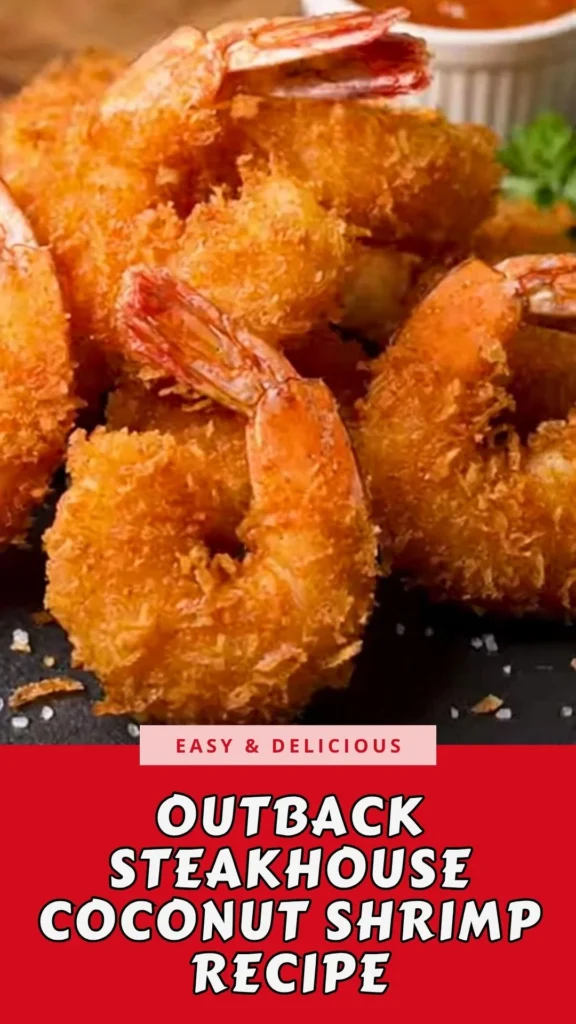
7. Create a Party Platter with Multiple Dipping Sauces
Arrange your outback coconut shrimp on a large platter with three or four dipping sauces – cocktail sauce, mango salsa, pineapple habanero jam, and sweet chili sauce – for an impressive, interactive appetizer spread that guests will rave about.
Expert Cooking Tips for Outback Steakhouse Coconut Shrimp Recipe
Mastering this Outback Steakhouse coconut shrimp at home is all about understanding a few key techniques that separate a good result from a truly great one. The details matter – from how you bread each shrimp to how you manage your oil temperature.
Follow these expert tips for perfect results every time:
1. Always Pat the Shrimp Completely Dry
Before you begin breading, use paper towels to thoroughly pat your shrimp dry. Excess moisture is the enemy of a crispy crust – any water on the shrimp will cause the coating to slide off or turn soggy during frying. Dry shrimp equals a better, crunchier crust.
2. Use a Thermometer to Monitor Oil Temperature
Maintaining the oil at exactly 350°F (175°C) is critical. If the oil is too cool, the coating absorbs excess oil and turns greasy. If it’s too hot, the coconut flakes burn before the shrimp cooks through. A reliable cooking thermometer takes all the guesswork out of this step.
3. Fry in Small Batches, Never Crowd the Pan
Overcrowding the frying pan drops the oil temperature rapidly, resulting in steamed rather than fried shrimp. Work in batches of 4 to 6 shrimp at a time, allowing the oil to return to temperature between batches for consistently golden, crispy results.
4. Press the Coating Firmly onto Each Shrimp
When coating the shrimp in the coconut-panko mixture, don’t be gentle – firmly press the coating onto all sides so it adheres well. This extra pressure ensures the crust doesn’t separate or fall off during frying and creates that thick, satisfying crunch.
5. Let Breaded Shrimp Rest Before Frying
After breading all your shrimp, let them rest on a baking sheet for 5 to 10 minutes before frying. This brief resting period helps the coating bond more firmly to the shrimp, reducing the chance of the crust falling off in the hot oil.
6. Drain on a Wire Rack, Not Just Paper Towels
While paper towels absorb some oil, placing the fried shrimp on a wire rack over a baking sheet allows air to circulate underneath, preventing the bottom crust from going soggy. Use both for the crispiest possible result.
7. Choose Jumbo or Extra-Large Shrimp for the Best Presentation
Larger shrimp hold up better to the breading process, cook more evenly, and provide that satisfying, meaty bite that makes this dish so special. Smaller shrimp tend to overcook before the crust achieves the perfect golden-brown color.
Storage & Reheating Guidance
Store leftover coconut shrimp in an airtight container in the refrigerator for up to 3 days. To reheat and restore crispiness, place them in an air fryer or oven at 375°F (190°C) for 5 to 7 minutes. Avoid microwaving, as it softens the coating and ruins the crunch. Frozen uncooked breaded shrimp keeps well for up to 1 month.
Nutrition Information
Nutrition Information (Per Serving – Approximate)
- Calories: 470 kcal
- Protein: 28 g
- Total Fat: 24 g
- Saturated Fat: 10 g
- Carbohydrates: 36 g
- Sugar: 11 g
- Fiber: 3 g
- Cholesterol: 235 mg
- Sodium: 880 mg
- Potassium: 290 mg
Note: Nutrition values are estimates and may vary depending on the ingredients, coating, and frying oil used.
Outback Steakhouse Coconut Shrimp Recipe
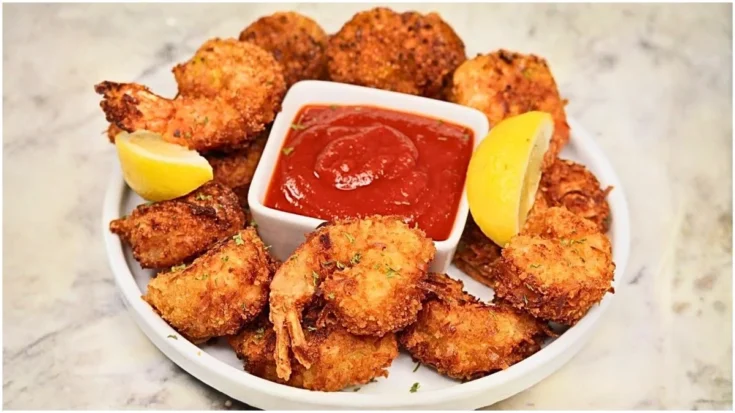
If you’ve ever savored the iconic Outback Steakhouse coconut shrimp, you already know it’s one of those unforgettable appetizers that keeps you coming back for more. The great news? You can recreate that same restaurant-quality experience right in your own kitchen.
Ingredients
- 1 pound large shrimp
- 1 cup sweetened coconut flakes
- 1 cup plain panko breadcrumbs
- 1 cup all-purpose flour
- 1 teaspoon salt
- 1 teaspoon black pepper
- 1 teaspoon garlic powder
- 1 teaspoon paprika
- ½ teaspoon onion powder
- 2 large eggs
- 2 tablespoons water
- Peanut oil
- Cocktail sauce
Instructions
Step 1: Prepare the Coconut Coating
In a shallow bowl, combine the sweetened coconut flakes and plain panko breadcrumbs. Stir everything together until the mixture is evenly blended. This coating gives the shrimp its signature crispy texture and sweet coconut flavor, just like the restaurant version.
Step 2: Season the Flour
Take another shallow bowl and add the all-purpose flour. Mix in the salt, black pepper, garlic powder, paprika, and onion powder. Stir well so the seasonings are evenly distributed throughout the flour. This seasoned flour layer helps add flavor directly to the shrimp.
Step 3: Make the Egg Wash
In a separate bowl, crack the eggs and add the water. Whisk until the mixture is smooth and fully combined. The egg wash acts as the glue that helps the coconut coating stick perfectly to each shrimp.
Step 4: Bread the Shrimp
Dip each shrimp first into the seasoned flour, making sure it is fully coated, then gently shake off any excess. Next, dip it into the egg wash, allowing the extra to drip off. Finally, press the shrimp into the coconut and panko mixture, coating it well on all sides. Gently press the coating onto the shrimp so it sticks nicely. Repeat this process until all shrimp are breaded.
Step 5: Heat the Oil
Pour peanut oil into a deep skillet or frying pan, making sure there is enough for shallow frying. Heat the oil to 350°F (175°C). If you do not have peanut oil, vegetable oil works well too. Make sure the oil is hot before adding the shrimp for the best crispy result.
Step 6: Fry the Shrimp
Carefully place the breaded shrimp into the hot oil in batches, being careful not to overcrowd the pan. Fry for about 2 to 3 minutes per side, or until they turn golden brown and crispy. Since the coconut flakes can brown quickly, keep a close eye on them and flip as soon as one side becomes golden.
Step 7: Drain and Serve
Once fully cooked, transfer the shrimp to a plate lined with paper towels to drain any excess oil. Let them rest for a minute, then serve them hot with cocktail sauce on the side for dipping. Enjoy them while warm for the best crunchy texture and flavor.
Notes
Store leftover coconut shrimp in an airtight container in the refrigerator for up to 3 days. To reheat and restore crispiness, place them in an air fryer or oven at 375°F (190°C) for 5 to 7 minutes. Avoid microwaving, as it softens the coating and ruins the crunch. Frozen uncooked breaded shrimp keeps well for up to 1 month.
Nutrition Information:
Yield:
4Serving Size:
1Amount Per Serving: Calories: 470
Common Queries & FAQs
When you give this Outback Steakhouse Coconut Shrimp Recipe a try, you might have a few questions. Don’t worry-we’ve rounded up answers to the most common ones to help you out.
Q: What is Outback Steakhouse coconut shrimp made of?
Outback Steakhouse coconut shrimp is made of large peeled and deveined shrimp coated in a seasoned flour mixture, dipped in an egg wash, and then coated in a combination of sweetened coconut flakes and panko breadcrumbs before being fried until golden and crispy.
Q: Can I bake the coconut shrimp instead of frying it?
Yes, you can bake coconut shrimp as a healthier alternative. Place the breaded shrimp on a greased baking sheet and bake at 400°F (200°C) for 12 to 15 minutes, flipping halfway through. The result won’t be quite as golden as the fried version, but it will still be delicious and noticeably lighter.
Q: What sauce does Outback serve with coconut shrimp?
Outback Steakhouse traditionally serves coconut shrimp with a tangy cocktail sauce. Many people also enjoy it with marmalade dipping sauce, sweet chili sauce, mango chutney, or pineapple salsa for a tropical twist.
Q: Can I use frozen shrimp for this recipe?
Absolutely. Frozen shrimp works perfectly for this recipe. Simply thaw it completely in the refrigerator overnight or under cold running water, then pat it thoroughly dry before breading. Removing all excess moisture is key to achieving a crispy, firmly attached crust.
Q: Can I make coconut shrimp ahead of time?
Yes. You can bread the shrimp and refrigerate them on a baking sheet uncovered for up to 4 hours before frying. This actually helps the coating adhere better. It is best to fry them fresh just before serving to ensure maximum crunchiness.
Q: What oil is best for frying coconut shrimp?
Peanut oil is the top choice because of its high smoke point and neutral flavor that doesn’t interfere with the coconut. Vegetable oil, canola oil, and sunflower oil are all excellent alternatives. Avoid olive oil or butter, as they cannot withstand the high temperatures needed for proper frying.
Q: How do I keep coconut shrimp crispy after frying?
To keep coconut shrimp crispy, place them on a wire rack set over a baking sheet rather than piling them on a plate. Keep them warm in a 250°F (120°C) oven while frying the remaining batches. Avoid covering them with foil, as trapped steam will soften the coating.
This Outback Steakhouse coconut shrimp copycat recipe is proof that restaurant-quality food is absolutely achievable at home – and arguably even better when made fresh in your own kitchen. With a perfectly seasoned flour base, a golden panko-coconut crust, and juicy shrimp inside, every bite delivers that unforgettable combination of crunch, sweetness, and savory depth.
Whether you’re serving it as a showstopping appetizer or a fun weekend dinner, this dish is guaranteed to impress. Give it a try, share it with the people you love, and don’t forget to serve it with plenty of dipping sauce. Happy cooking!
We’d love to hear how this recipe turns out for you! Give it a try, then drop a comment below to share your thoughts and tips with us. You can also follow us on Pinterest, and YouTube for more delicious updates and kitchen inspiration. Your feedback and support mean the world to us!