
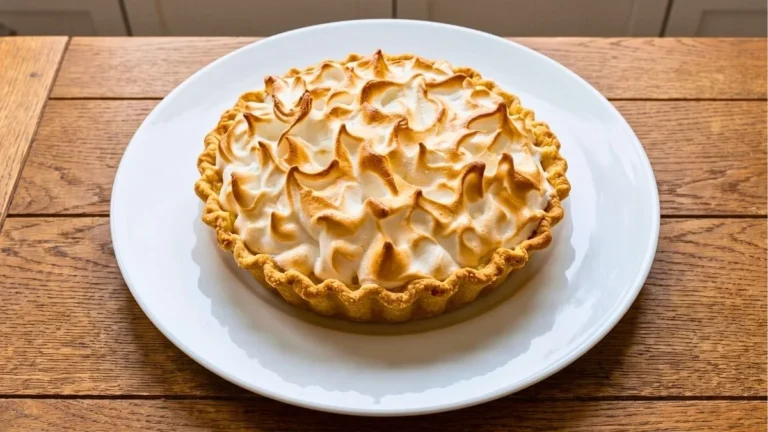

The Paula Deen lemon meringue pie recipe combines a creamy, tangy lemon filling with a fluffy, golden meringue topping in a classic deep-dish pie crust. Made with sweetened condensed milk, fresh lemon juice, lemon zest, and whipped egg whites, this Southern-inspired dessert delivers a bright citrus flavor balanced by a sweet, airy finish.
The filling comes together with just a few ingredients, making this lemon meringue pie recipe approachable for home bakers. The key is to prepare the crust ahead of time, whip the meringue until it forms stiff, glossy peaks, and spread the topping all the way to the crust’s edges before baking.
After a short time in the oven, the meringue develops a delicate golden surface. Once the pie has cooled and chilled thoroughly, the filling becomes firm enough to slice while remaining smooth and creamy. Serve it as a refreshing finish to a family dinner, a holiday meal, or a Southern-style dessert spread.
Why You’ll Love This Paula Deen Lemon Meringue Pie
-
Bright lemon flavor: Fresh lemon juice adds a refreshing citrus tang.
-
Creamy filling: Sweetened condensed milk creates a rich, smooth consistency.
-
Fluffy topping: Whipped egg whites form a light, sweet meringue.
-
Simple ingredients: Pantry staples and fresh lemons do most of the work.
-
Beautiful presentation: Golden meringue makes every slice look inviting.
-
Make-ahead friendly: Chilling gives the filling time to become firm.
-
Southern dessert appeal: A lovely choice for gatherings and special occasions.
-
Balanced sweetness: Tart lemon complements the sweet filling and topping.
What Is Paula Deen Lemon Meringue Pie?
Paula Deen lemon meringue pie is a Southern-style dessert featuring a lemon filling, a baked pie crust, and a fluffy egg-white topping. This version uses sweetened condensed milk rather than a traditional stovetop lemon custard thickened with cornstarch, giving the filling a rich, creamy texture with a concentrated citrus flavor.

The meringue is made by beating egg whites with cream of tartar and gradually adding granulated sugar until stiff, glossy peaks form. It is then spread over the lemon filling and baked until lightly golden.
Although this recipe shares some ingredients and flavors with a lemon icebox pie, the meringue topping makes it distinct. The finished pie needs time to cool and chill before serving, allowing the filling to firm up for cleaner slices.
What Does Paula Deen Lemon Meringue Pie Taste Like?
This lemon meringue pie has a sweet-tart citrus flavor with three distinct textures. The filling is creamy and rich from the sweetened condensed milk, with fresh lemon juice and zest providing a bright, tangy contrast. The meringue is light, airy, and sweet, with a delicate golden surface after baking.
The baked pie crust adds a tender, slightly crisp foundation that balances the soft filling and fluffy topping. Each bite combines buttery pastry, smooth lemon cream, and pillowy meringue. The result is a refreshing dessert that feels rich without losing the lively character of fresh lemon.
Ingredients for Paula Deen Lemon Meringue Pie
This recipe uses three simple components: a creamy lemon filling, a baked pie crust, and a sweet meringue topping. Fresh lemon juice and zest give the filling its citrus flavor, while the egg whites create the airy topping.
Creamy Lemon Filling
-
1 can (14 ounces) sweetened condensed milk
-
1 heaping teaspoon lemon zest
-
½ cup fresh lemon juice
-
4 large egg yolks
Fluffy Meringue Topping
-
4 large egg whites
-
¼ teaspoon cream of tartar
-
½ cup granulated sugar
Ready-to-Use Pie Crust
- 1 deep-dish 9-inch pie crust, baked and completely cooled
Ingredient Notes
-
Sweetened condensed milk: Provides sweetness and a thick, creamy base for the lemon filling. Do not substitute evaporated milk, which has a different consistency and sweetness.
-
Fresh lemon juice: Gives the pie its characteristic tart flavor. Freshly squeezed juice is a good choice for this citrus-forward dessert.
-
Lemon zest: Adds fragrant lemon oils that deepen the citrus flavor without requiring more juice.
-
Egg yolks: Contribute richness and help give the filling its custard-like character.
-
Egg whites: Form the foundation of the meringue. Make sure no yolk gets into the whites, as even a small amount of fat can interfere with whipping.
-
Cream of tartar: Helps stabilize the egg-white foam so the meringue holds its shape.
-
Granulated sugar: Sweetens the meringue and helps create a glossy texture when incorporated gradually.
-
Deep-dish pie crust: Provides enough room for the generous lemon filling and fluffy topping. The crust must be baked and completely cooled before filling.
Kitchen Tools You’ll Need
-
9-inch deep-dish pie plate with a baked crust
-
Mixing bowls
-
Whisk
-
Electric hand mixer or stand mixer
-
Flexible spatula or large spoon
-
Measuring cups and spoons
-
Fine grater or zester for the lemon
-
Oven and refrigerator
Preparation and Cooking Time
Preparation Time: 15 minutes
Cooking Time: 10–15 minutes
Cooling and Chilling Time: 3–4 hours
Total Time: Approximately 3 hours 25 minutes to 4 hours 30 minutes
Servings: 8 slices
How to Make Paula Deen Lemon Meringue Pie
Follow these five steps for a creamy lemon filling and a lightly browned meringue topping.
Step 1: Prepare the Lemon Filling
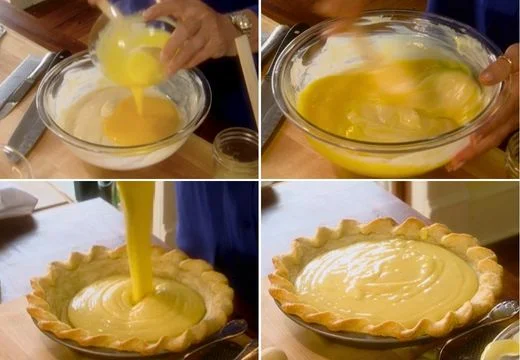
Add the sweetened condensed milk, lemon zest, fresh lemon juice, and egg yolks to a mixing bowl. Whisk until the ingredients are thoroughly combined and the mixture looks smooth, thick, and creamy.
Scrape the sides of the bowl as needed to incorporate all the ingredients. The finished filling should be evenly blended, without visible streaks of egg yolk.

Step 2: Fill the Pie Crust
Pour the lemon mixture into the completely cooled, pre-baked 9-inch deep-dish pie crust. Use a spatula to spread the filling evenly from the center toward the edges.
A cooled crust helps keep the pastry from softening too quickly when the filling is added. Set the filled crust aside while you prepare the meringue.
Step 3: Make the Meringue
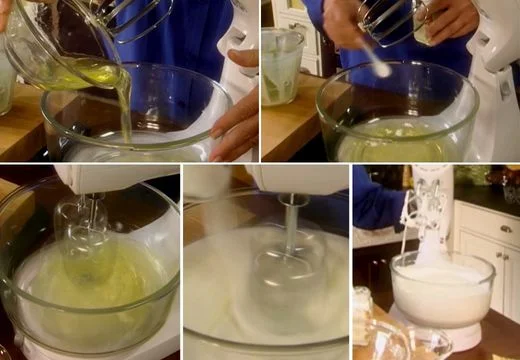
Place the egg whites in a clean, grease-free mixing bowl. Add the cream of tartar and beat on high speed until the whites become foamy.
Gradually add the granulated sugar while continuing to beat. Keep mixing until the meringue is thick, glossy, and holds stiff peaks when you lift the beaters. The peaks should stand upright rather than droop immediately.
Avoid rushing the sugar addition. Adding it gradually helps it incorporate into the egg whites and creates a smoother meringue.
Step 4: Top and Seal the Pie
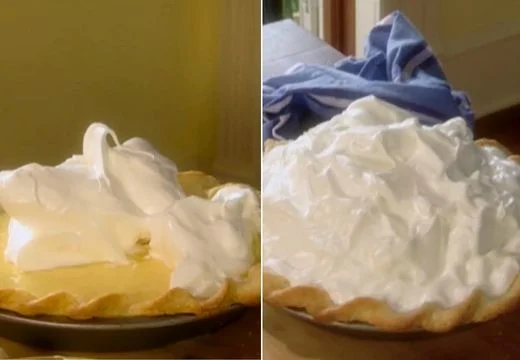
Spoon the meringue over the lemon filling. Spread it evenly across the surface, then bring the meringue all the way to the crust around the entire edge.
This seal helps anchor the topping and reduces the chance of the meringue shrinking away from the crust as the pie cools. You can create decorative swirls or soft peaks with the back of a spoon for a traditional finish.
Step 5: Bake and Chill
Preheat the oven to 350°F (175°C). Bake the pie for approximately 10–15 minutes, watching closely as the meringue develops a light golden-brown color.
Remove the pie from the oven and let it cool. Because the filling contains egg yolks, use pasteurized eggs if you cannot verify that the filling reaches a safe temperature of 160°F (71°C). The brief browning time alone does not guarantee that temperature throughout the filling.
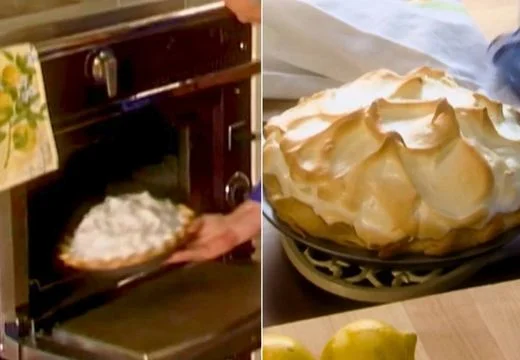
Once cooled, refrigerate the pie until it is thoroughly chilled and firm. For neat slices, use a sharp knife and wipe the blade between cuts.
Expert Tips for the Best Lemon Meringue Pie
A few details make a noticeable difference in the appearance and texture of this pie.
-
Use a completely cooled crust. A warm crust can soften when the lemon filling is added.
-
Zest before juicing. It is easier to remove the zest while the lemon is whole.
-
Keep the mixing bowl clean. Grease or egg yolk can prevent egg whites from whipping properly.
-
Add sugar gradually. This helps the meringue become smooth and glossy instead of grainy.
-
Beat to stiff peaks. The meringue should hold its shape without looking dry or clumpy.
-
Seal the edges. Make sure the meringue touches the crust around the entire rim to help prevent shrinkage.
-
Watch the color. The topping should be lightly golden, not dark brown.
-
Allow enough chilling time. Cutting the pie before the filling firms up can produce messy slices.
Common Mistakes to Avoid When Making Paula Deen Lemon Meringue Pie
Why is my meringue weeping? Moisture can collect on or beneath the topping when the meringue is unstable or the pie cools under unfavorable conditions. Beat the whites to stiff, glossy peaks, incorporate the sugar gradually, and avoid leaving the finished pie in a warm, humid environment.

Why does the meringue shrink? The topping may pull away if it has not been spread to the crust’s edges. Seal the meringue against the pastry all the way around before baking.
Why is the lemon filling too soft? The pie may not have chilled long enough. Refrigerate it until thoroughly cold and firm before slicing.
Why is my meringue grainy? The sugar may not have dissolved sufficiently. Add it gradually while beating, and continue mixing until the meringue looks smooth and glossy.
What’s The Difference Between Paula Deen Lemon Meringue Pie and Lemon Icebox Pie?
Although the names sound similar, lemon meringue pie and lemon icebox pie are not always the same dessert.
-
Lemon meringue pie: Features a lemon filling topped with whipped egg whites that are baked until lightly golden.
-
Lemon icebox pie: Typically has a chilled lemon filling in a pastry or crumb crust. Depending on the recipe, it may have whipped cream, meringue, or no topping.
-
This Paula Deen-inspired version: Uses sweetened condensed milk, lemon juice, zest, and egg yolks for its filling, with a separate baked meringue topping.
If you are searching for a Paula Deen lemon icebox pie recipe, check the specific topping and filling method. Some versions may be closer to a chilled custard pie than a traditional lemon meringue pie.
The name baby lemon impossible pies Paula Deen recipe refers to a different style of dessert search: individual mini pies that may form their own crust-like layer as they bake. Those should not be confused with this deep-dish lemon meringue pie.
How to Prevent Weeping or Watery Meringue
Weeping meringue occurs when moisture collects on the surface of the topping or forms a watery layer between the meringue and lemon filling. For the best results with Paula Deen lemon meringue pie, use a clean, grease-free mixing bowl and beat the egg whites with cream of tartar until foamy before gradually adding the sugar. Continue beating until stiff, glossy peaks form, and make sure the sugar is well incorporated.

Spread the meringue over the lemon filling while the filling is freshly prepared, then seal it firmly against the pie crust around the entire edge. Bake at 350°F for 10–15 minutes, watching for a lightly golden top. Avoid under-whipping the egg whites or adding sugar too quickly, as both can affect the meringue’s stability. After baking, let the pie cool and refrigerate it until firm. Store leftovers covered in the refrigerator, and remember that some moisture may develop naturally as the meringue sits.
What to Serve With Lemon Meringue Pie
Lemon meringue pie is delicious on its own, but a few simple accompaniments can make dessert feel more complete.
-
Fresh berries: Strawberries, blueberries, or raspberries complement the lemon’s tartness.
-
Fresh mint: A small sprig adds color and a refreshing aroma.
-
Coffee or tea: Unsweetened coffee or black tea balances the pie’s sweetness.
-
Vanilla ice cream: A small scoop adds a creamy contrast, although the pie is already rich.
-
Fresh fruit salad: A light fruit salad works well after a hearty meal.
For the best presentation, serve chilled slices on individual dessert plates. Avoid adding too many sweet accompaniments, since the filling and meringue already provide plenty of sweetness.
How to Store Paula Deen Lemon Meringue Pie
Store leftover lemon meringue pie in the refrigerator, covered loosely once it has cooled. Because the recipe contains eggs, refrigerate it within two hours of baking and keep it at 40°F (4°C) or below. For best quality, enjoy it within two to three days. Meringue can release moisture as it sits, so the topping may become less fluffy over time. This pie is best served chilled and should not be reheated.
Paula Deen Lemon Meringue Pie Nutrition Information
Approximate nutrition information for Paula Deen lemon meringue pie, based on 8 servings. Values may vary depending on the pie crust and specific ingredients used.
-
Calories: 380 kcal
-
Total Fat: 15 g
-
Saturated Fat: 6 g
-
Cholesterol: 125 mg
-
Sodium: 250 mg
-
Total Carbohydrates: 54 g
-
Dietary Fiber: 1 g
-
Total Sugars: 44 g
-
Protein: 7 g
Note: These values are estimates for one slice (⅛ of the pie), not laboratory-verified nutritional data. Actual nutrition will depend on the crust brand, ingredient measurements, and serving size.
Paula Deen Lemon Meringue Pie Recipe
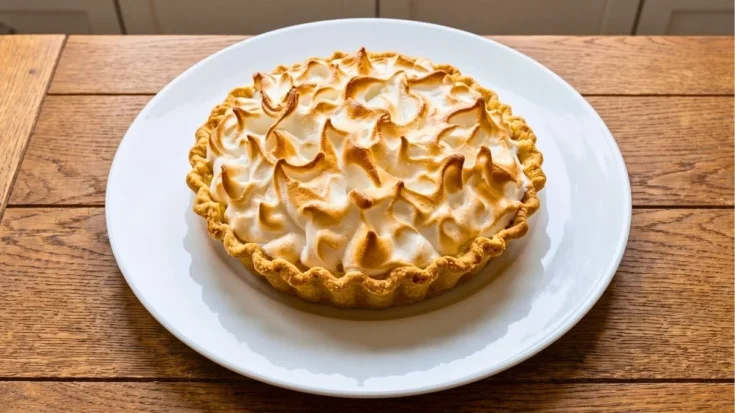
The Paula Deen lemon meringue pie recipe combines a creamy, tangy lemon filling with a fluffy, golden meringue topping in a classic deep-dish pie crust. Made with sweetened condensed milk, fresh lemon juice, lemon zest, and whipped egg whites, this Southern-inspired dessert delivers a bright citrus flavor balanced by a sweet, airy finish.
Ingredients
- 1 can (14 ounces) sweetened condensed milk
- 1 heaping teaspoon lemon zest
- ½ cup fresh lemon juice
- 4 large egg yolks
- 4 large egg whites
- ¼ teaspoon cream of tartar
- ½ cup granulated sugar
- 1 deep-dish 9-inch pie crust
Instructions
Step 1: Prepare the Lemon Filling
Add the sweetened condensed milk, lemon zest, fresh lemon juice, and egg yolks to a mixing bowl. Whisk until the ingredients are thoroughly combined and the mixture looks smooth, thick, and creamy.
Scrape the sides of the bowl as needed to incorporate all the ingredients. The finished filling should be evenly blended, without visible streaks of egg yolk.
Step 2: Fill the Pie Crust
Pour the lemon mixture into the completely cooled, pre-baked 9-inch deep-dish pie crust. Use a spatula to spread the filling evenly from the center toward the edges.
A cooled crust helps keep the pastry from softening too quickly when the filling is added. Set the filled crust aside while you prepare the meringue.
Step 3: Make the Meringue
Place the egg whites in a clean, grease-free mixing bowl. Add the cream of tartar and beat on high speed until the whites become foamy.
Gradually add the granulated sugar while continuing to beat. Keep mixing until the meringue is thick, glossy, and holds stiff peaks when you lift the beaters. The peaks should stand upright rather than droop immediately.
Avoid rushing the sugar addition. Adding it gradually helps it incorporate into the egg whites and creates a smoother meringue.
Step 4: Top and Seal the Pie
Spoon the meringue over the lemon filling. Spread it evenly across the surface, then bring the meringue all the way to the crust around the entire edge.
This seal helps anchor the topping and reduces the chance of the meringue shrinking away from the crust as the pie cools. You can create decorative swirls or soft peaks with the back of a spoon for a traditional finish.
Step 5: Bake and Chill
Preheat the oven to 350°F (175°C). Bake the pie for approximately 10–15 minutes, watching closely as the meringue develops a light golden-brown color.
Remove the pie from the oven and let it cool. Because the filling contains egg yolks, use pasteurized eggs if you cannot verify that the filling reaches a safe temperature of 160°F (71°C). The brief browning time alone does not guarantee that temperature throughout the filling.
Once cooled, refrigerate the pie until it is thoroughly chilled and firm. For neat slices, use a sharp knife and wipe the blade between cuts.
Notes
Store leftover lemon meringue pie in the refrigerator, covered loosely once it has cooled. Because the recipe contains eggs, refrigerate it within two hours of baking and keep it at 40°F (4°C) or below. For best quality, enjoy it within two to three days. Meringue can release moisture as it sits, so the topping may become less fluffy over time. This pie is best served chilled and should not be reheated.
Nutrition Information:
Yield:
8Serving Size:
1Amount Per Serving: Calories: 380
Frequently Asked Questions About Paula Deen Lemon Meringue Pie Recipe
When you give this Paula Deen Lemon Meringue Pie Recipe a try, you might have a few questions. Don’t worry-we’ve rounded up answers to the most common ones to help you out.
1. Can I make Paula Deen lemon meringue pie ahead of time?
Yes. You can prepare it ahead and refrigerate it until serving. Allow enough time for the pie to cool and become thoroughly chilled and firm. The meringue is generally at its best on the day it is made.
2. Can I use bottled lemon juice instead of fresh lemon juice?
Fresh lemon juice is preferable because it gives the filling a brighter citrus flavor. Bottled juice can work in a pinch, but its flavor may be less fresh. Keep the quantity at ½ cup if substituting.
3. Why does this recipe use sweetened condensed milk?
Sweetened condensed milk provides sweetness and a thick, creamy base for the lemon filling. It also reduces the number of ingredients needed compared with some traditional lemon custard recipes.
4. How do I know when meringue has reached stiff peaks?
Lift the beaters straight out of the mixture. The meringue should form peaks that stand upright without folding over. It should also look glossy rather than dry or clumpy.
5. Why should the meringue touch the pie crust?
Spreading the meringue to the crust creates a seal around the filling. This helps anchor the topping and reduces shrinking or separation as the pie cools.
6. Can I use a regular 9-inch pie crust?
A regular 9-inch crust may not have enough depth for all the filling and meringue. A deep-dish crust is recommended to accommodate the generous layers.
7. How long should lemon meringue pie chill before serving?
Chill the pie until it is thoroughly cold and firm, allowing several hours after cooling. The exact time depends on the pie’s temperature and your refrigerator.
8. Can I freeze lemon meringue pie?
Freezing is not recommended for the best texture. The filling can become watery after thawing, and the meringue may lose its airy consistency. Refrigeration is a better option for leftovers.
9. Is Paula Deen lemon meringue pie the same as lemon icebox pie?
Not necessarily. Lemon meringue pie has a baked meringue topping, while lemon icebox pie usually emphasizes a chilled lemon filling. Some recipes overlap in ingredients, but the preparation and toppings can differ.
10. Are baby lemon impossible pies the same as lemon meringue pie?
No. Baby lemon impossible pies are a separate mini-pie style, whereas this recipe uses a prepared deep-dish crust with lemon filling and a whipped meringue topping.
This Paula Deen lemon meringue pie recipe brings together a creamy lemon filling, a light meringue topping, and a classic pastry crust for a refreshing Southern-inspired dessert. Sweetened condensed milk keeps the filling rich, while fresh lemon juice and zest provide the citrus flavor that makes each slice distinctive.
For the best results, start with a fully cooled crust, whip the meringue to stiff, glossy peaks, seal it to the edges, and allow the pie to chill thoroughly before serving. With a little patience during cooling, you can serve a beautiful lemon dessert for family dinners, holidays, and special occasions.
We’d love to hear how this recipe turns out for you! Give it a try, then drop a comment below to share your thoughts and tips with us. You can also follow us on Pinterest, and YouTube for more delicious updates and kitchen inspiration. Your feedback and support mean the world to us!