
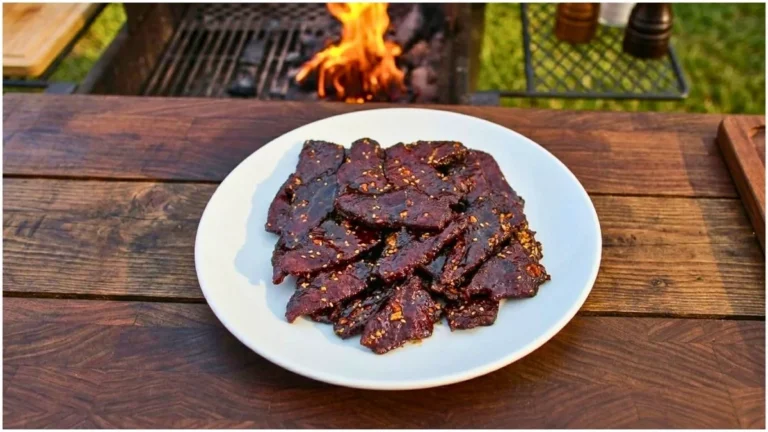

There’s something deeply satisfying about pulling a tray of homemade beef jerky from the oven – rich, smoky, and loaded with that slow-absorbed marinade flavor you simply can’t find in a store-bought bag.
This london broil beef jerky recipe transforms one of the most underrated cuts of beef into a protein-packed, deeply savory snack that’s worth every hour of marinating time. London broil is a powerhouse cut for jerky – lean, firm, and wide enough to slice into generous strips that dry beautifully.
Whether you’re fueling a hiking trip, meal-prepping high-protein snacks, or just craving bold flavor with zero preservatives, this recipe delivers. Bourbon, hickory smoked salt, and apple cider vinegar do the heavy lifting in the marinade – and the result is absolutely unforgettable.
Why You’ll Love This Recipe
If you’re looking for a flavorful, high-protein homemade snack, this London Broil Beef Jerky Recipe delivers tender, smoky jerky with simple ingredients and unbeatable freshness. It’s easy to customize and far more satisfying than store-bought jerky.
- Rich smoky flavor with savory bourbon marinade.
- Lean London broil makes protein-packed jerky.
- No artificial preservatives or unnecessary additives.
- Simple pantry ingredients create bold, balanced flavor.
- Easy oven or dehydrator preparation options.
- Customize sweetness, spice, and smoky intensity.
- Perfect for hiking, camping, and road trips.
- Great make-ahead snack for busy weeks.
- Tender or chewy texture based on slicing direction.
- Budget-friendly alternative to store-bought beef jerky.
What Does London Broil Beef Jerky Taste Like?
Every bite of this london broil jerky opens with a hit of deep, savory umami from the soy sauce – then the bourbon steps in with a warm, slightly sweet undertone that lingers just long enough to feel indulgent.

The apple cider vinegar cuts through the richness with a subtle tang, keeping the flavor balanced and complex. A whisper of hickory smoked salt threads through each strip, giving it that campfire-smokehouse character without needing a smoker at all.
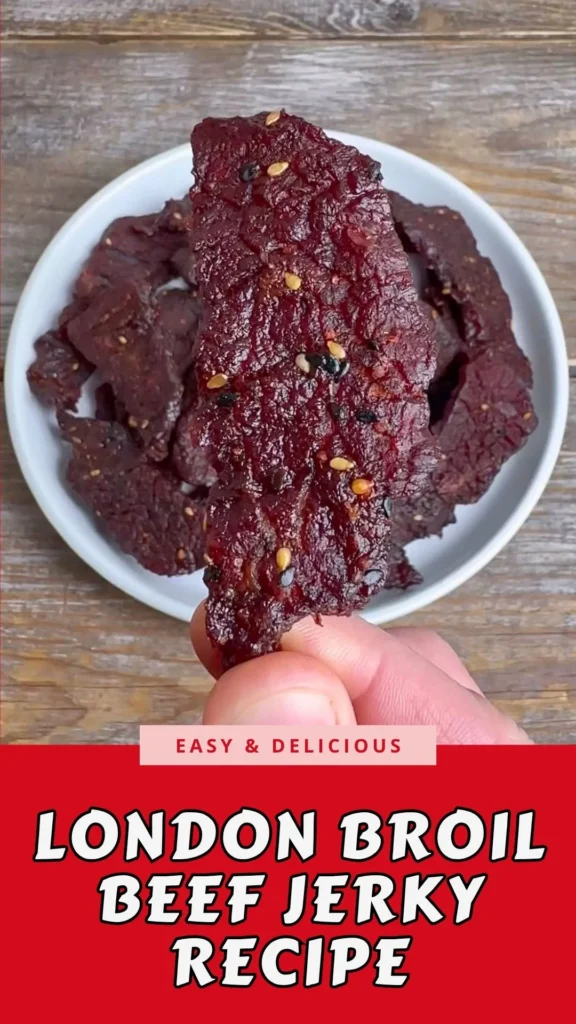
Texturally, slicing against the grain produces a tender, easy chew, while with-the-grain cuts deliver that classic, pull-apart toughness jerky lovers live for. The strips dry to a deep mahogany color with a firm, slightly dry exterior and a moist, pliable center – the ideal beef jerky recipe result every single time.
London Broil Beef Jerky Recipe Ingredients
Gather all the following ingredients, before you start making this London Broil Beef Jerky.
- 4 pounds London Broil, trimmed of excess surface fat
- 1 cup low-sodium soy sauce
- ¼ cup apple cider vinegar
- ¼ cup bourbon
- 2 tablespoons brown sugar
- 1 teaspoon ground black pepper
- ½ teaspoon kosher salt
- ½ teaspoon hickory smoked salt
Kitchen Tools & Utensils
- Sharp chef’s knife or slicing knife
- Large mixing bowl
- Whisk or spoon for stirring marinade
- Airtight zip-lock bags or covered bowl for marinating
- Rimmed baking sheets
- Wire cooling/drying racks
- Oven (or food dehydrator as an alternative)
- Tongs
- Cutting board
- Airtight storage containers or mason jars
Preparation & Cooking Time
Preparation Time: 20 minutes
Freeze Time (for slicing): 25–30 minutes
Marinating Time: 12–14 hours (overnight recommended)
Cooking/Drying Time: 4–6 hours
Total Time: ~18–20 hours (largely hands-off)
Servings: Approximately 10–12 servings (yields roughly 1–1.25 lbs finished jerky)
Difficulty Level: Easy to Moderate
How to Make London Broil Beef Jerky
Follow these steps in order for a smooth, stress-free process – most of the total time is passive (freezing and marinating), so the hands-on work is minimal and straightforward from start to finish.
Step 1: Prepare the Beef
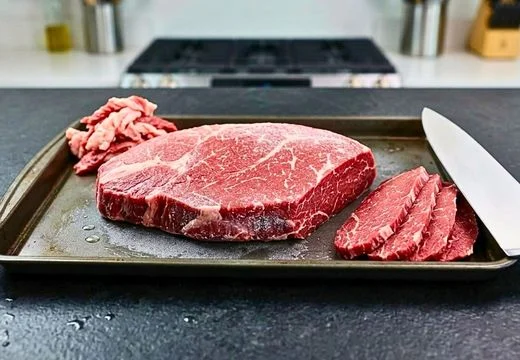
Trim the London Broil thoroughly, removing any thick exterior fat and silver skin while preserving the internal marbling. Fat reduces the shelf life of jerky significantly, so surface fat removal is non-negotiable. Place the trimmed meat on a tray and freeze for 25 to 30 minutes – until firm but not completely frozen solid. This critical step makes clean, uniform slicing far easier.
Step 2: Slice the Meat
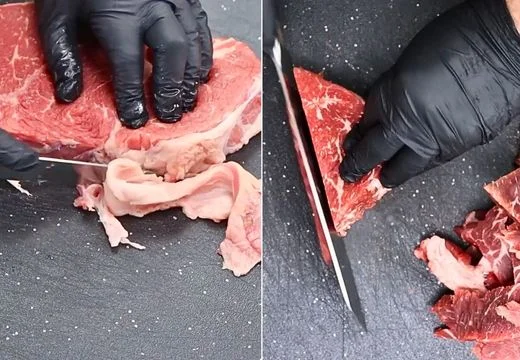
Remove the beef from the freezer and use a sharp knife to cut it into strips approximately ⅛ to ¼ inch thick. Slice against the grain for tender, snap-free jerky or with the grain for a classic, chewy bite. As you slice, remove any remaining fat pieces to ensure even drying across every strip.
Step 3: Make the Marinade
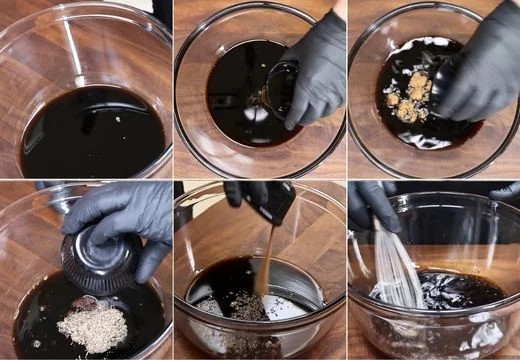
In a large mixing bowl, combine the low-sodium soy sauce, apple cider vinegar, bourbon, brown sugar, ground black pepper, kosher salt, and hickory smoked salt. Stir thoroughly until the brown sugar and both salts dissolve completely. This marinade is the backbone of everything – savory, smoky, tangy, and just barely sweet.
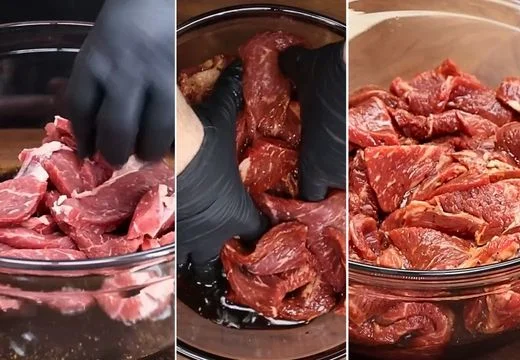
Step 4: Marinate the Beef
Add all sliced beef strips to the marinade and toss until every piece is generously coated. Cover the bowl tightly (or transfer to zip-lock bags) and refrigerate for 12 to 14 hours. Turn or stir the strips at least once or twice during marination to ensure deep, even flavor absorption across every piece.
Step 5: Arrange for Drying
Preheat your oven to 160°F (71°C). If your oven’s lowest setting is 170°F–175°F, that’s perfectly acceptable. Place wire racks over rimmed baking sheets and lay out the marinated strips in a single layer with a little breathing room between them. They will shrink considerably as they dry.
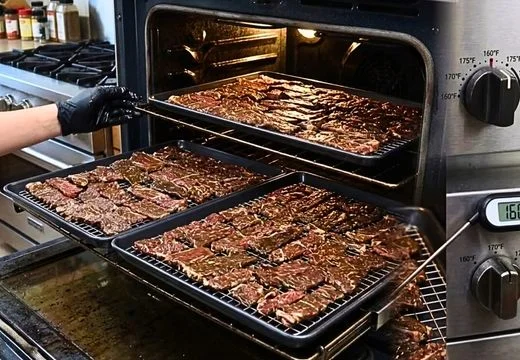
Step 6: Dry the Jerky
Slide the racks into the oven and dry for 4 to 6 hours. Check the strips after the first 2 hours, then every hour after that. The jerky is done when it has deepened in color to a rich mahogany, feels dry on the outside, and bends without snapping while retaining a slight internal moisture. Thicker slices will need the full 6 hours or slightly more.
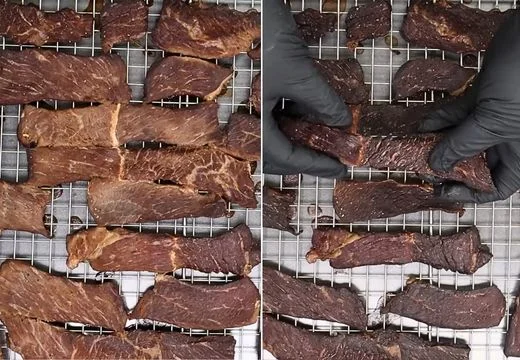
Step 7: Cool and Store
Remove the trays from the oven and cool the jerky on the racks for 15 to 20 minutes. Transfer cooled strips to airtight containers and refrigerate immediately.
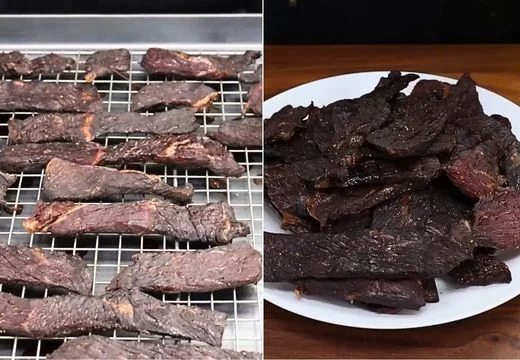
This recipe is crafted for refrigerated storage rather than shelf-stable preservation – enjoy it fresh within the next several days for peak flavor and texture.
Customization & Serving Pairing Ideas for London Broil Beef Jerky
This london broil beef jerky is endlessly adaptable – from bold heat variations to sweet-savory pairings that elevate it into full snack-board territory.
This recipe is versatile and easy to customize. Here are seven delicious ideas:
1. Add a Spicy Kick
Stir 1 to 2 teaspoons of red pepper flakes, cayenne, or a tablespoon of sriracha into the marinade for a slow-building heat that intensifies as the jerky dries. This is an excellent choice for those who love a spicy beef jerky recipe variation that packs a punch.
2. Go Full Smoker Mode
Instead of oven-drying, try using a london broil beef jerky smoker setup. Smoke the marinated strips at 165°F–180°F using hickory or applewood chips for 3 to 4 hours. The result is an even deeper, wood-fired smokiness that takes this recipe to a whole new level.
3. Use a Dehydrator
The london broil beef jerky dehydrator method offers the most consistent results. Set your dehydrator to 160°F and dry the strips for 5 to 7 hours. Dehydrators circulate air evenly around every strip, resulting in uniformly textured, beautifully dried jerky with no hot spots.
4. Sweet Teriyaki Twist
Swap the bourbon for pineapple juice and add 1 tablespoon of honey alongside the brown sugar. This creates a caramelized, mildly tropical glaze that kids and adults both love.
5. Build a Charcuterie & Snack Board
Arrange sliced jerky strips alongside aged cheddar, whole grain crackers, Marcona almonds, dried cranberries, and a small pot of whole grain mustard. The bold savory-smoky profile of this london broil jerky anchors an entire snack board effortlessly.
6. Crumble Over Salads or Grain Bowls
Tear dried jerky into small pieces and scatter it over a Caesar salad or wedge salad, kale bowl, or quinoa grain bowl as a protein-dense, flavor-packed topping – a creative alternative to bacon bits or croutons.
7. Trail Mix & Outdoor Snacking
Chop the jerky into bite-sized pieces and mix with mixed nuts, sunflower seeds, dark chocolate chips, and dried mango for a high-protein trail mix ideal for hiking, camping, or road trips.
Expert Cooking Tips for London Broil Beef Jerky Recipe
Getting the best results from your london broil beef jerky recipe comes down to a handful of precision techniques that professional jerky makers swear by.
Follow these expert tips for perfect results every time:
1. Always Partially Freeze Before Slicing
This single step is what separates clean, uniform strips from jagged, uneven ones. Thirty minutes in the freezer firms up the muscle fibers enough to guide your knife in a straight, controlled line. Consistent thickness means consistent drying – which means every piece finishes at the same time.
2. Respect the Marinating Window
Under-marinating (less than 8 hours) leaves the flavor thin and one-dimensional. Over-marinating (beyond 16 hours) can make the outer surface mushy from the acid in the vinegar. The 12-to-14-hour window is intentional – it hits the sweet spot for deep flavor penetration without texture compromise.
3. Pat the Strips Dry Before Drying
Once you pull the strips from the marinade, lay them on paper towels and blot them gently. Excess surface liquid on the strips extends drying time unnecessarily and can lead to steaming rather than drying in the first oven phase.
4. Use Wire Racks, Not Flat Pans
Elevating the strips on wire racks allows hot air to circulate both above and below each piece simultaneously. Flat pan drying only dries the top surface, requiring you to flip strips multiple times and resulting in uneven texture.
5. The Bend Test – Not the Snap Test
A common mistake is drying jerky until it snaps like a cracker. Properly finished jerky should bend and flex without breaking, with no visible moisture beading on the surface. If it snaps cleanly, it’s over-dried and will taste chalky rather than satisfying.
6. Calibrate Your Oven Temperature
Most home ovens run 10°F–15°F hotter or cooler than the dial setting. Invest in an inexpensive oven thermometer and place it on the rack while preheating. For the london broil beef jerky dehydrator or oven method, precise low-temperature control is the single most important factor for food-safe, evenly dried jerky.
7. Slice Thickness Determines Everything
Aim for ⅛ inch for a drier, snap-style jerky and ¼ inch for a thicker, meatier chew. If your strips vary in thickness, they will dry at different rates – always separate thicker and thinner pieces onto different racks so you can pull them at different times without over-drying the thinner ones.
Storage & Reheating Guidance
Store cooled jerky in an airtight container or zip-lock bag in the refrigerator for up to 2 weeks. For longer storage, freeze in sealed bags for up to 3 months – thaw at room temperature for 10–15 minutes before eating. This recipe is not designed for room-temperature shelf storage. No reheating is needed; jerky is best enjoyed at room temperature or straight from the fridge.
Nutrition Information
Nutrition Information (Per Serving)
- Calories: Approximately 180
- Protein: 24g
- Total Fat: 5g
- Saturated Fat: 2g
- Carbohydrates: 6g
- Sugars: 4g
- Fiber: 0g
- Cholesterol: 55mg
- Sodium: 620mg
- Potassium: 410mg
- Iron: 15% Daily Value
Note: Nutrition values are approximate and may vary depending on the exact ingredients used, trimming of the meat, marinade absorption, and serving size.
London Broil Beef Jerky Recipe
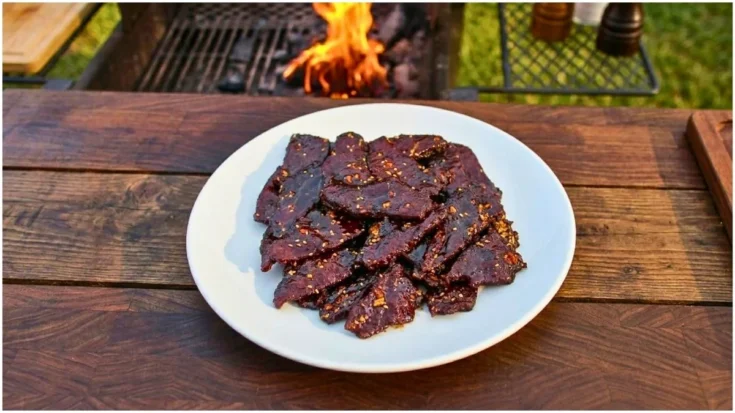
There’s something deeply satisfying about pulling a tray of homemade beef jerky from the oven – rich, smoky, and loaded with that slow-absorbed marinade flavor you simply can’t find in a store-bought bag. This london broil beef jerky recipe transforms one of the most underrated cuts of beef into a protein-packed, deeply savory snack that’s worth every hour of marinating time.
Ingredients
- 4 pounds London Broil
- 1 cup low-sodium soy sauce
- ¼ cup apple cider vinegar
- ¼ cup bourbon
- 2 tablespoons brown sugar
- 1 teaspoon ground black pepper
- ½ teaspoon kosher salt
- ½ teaspoon hickory smoked salt
Instructions
Step 1: Prepare the Beef
Trim the London Broil thoroughly, removing any thick exterior fat and silver skin while preserving the internal marbling. Fat reduces the shelf life of jerky significantly, so surface fat removal is non-negotiable. Place the trimmed meat on a tray and freeze for 25 to 30 minutes - until firm but not completely frozen solid. This critical step makes clean, uniform slicing far easier.
Step 2: Slice the Meat
Remove the beef from the freezer and use a sharp knife to cut it into strips approximately ⅛ to ¼ inch thick. Slice against the grain for tender, snap-free jerky or with the grain for a classic, chewy bite. As you slice, remove any remaining fat pieces to ensure even drying across every strip.
Step 3: Make the Marinade
In a large mixing bowl, combine the low-sodium soy sauce, apple cider vinegar, bourbon, brown sugar, ground black pepper, kosher salt, and hickory smoked salt. Stir thoroughly until the brown sugar and both salts dissolve completely. This marinade is the backbone of everything - savory, smoky, tangy, and just barely sweet.
Step 4: Marinate the Beef
Add all sliced beef strips to the marinade and toss until every piece is generously coated. Cover the bowl tightly (or transfer to zip-lock bags) and refrigerate for 12 to 14 hours. Turn or stir the strips at least once or twice during marination to ensure deep, even flavor absorption across every piece.
Step 5: Arrange for Drying
Preheat your oven to 160°F (71°C). If your oven's lowest setting is 170°F–175°F, that's perfectly acceptable. Place wire racks over rimmed baking sheets and lay out the marinated strips in a single layer with a little breathing room between them. They will shrink considerably as they dry.
Step 6: Dry the Jerky
Slide the racks into the oven and dry for 4 to 6 hours. Check the strips after the first 2 hours, then every hour after that. The jerky is done when it has deepened in color to a rich mahogany, feels dry on the outside, and bends without snapping while retaining a slight internal moisture. Thicker slices will need the full 6 hours or slightly more.
Step 7: Cool and Store
Remove the trays from the oven and cool the jerky on the racks for 15 to 20 minutes. Transfer cooled strips to airtight containers and refrigerate immediately. This recipe is crafted for refrigerated storage rather than shelf-stable preservation - enjoy it fresh within the next several days for peak flavor and texture.
Notes
Store cooled jerky in an airtight container or zip-lock bag in the refrigerator for up to 2 weeks. For longer storage, freeze in sealed bags for up to 3 months – thaw at room temperature for 10–15 minutes before eating. This recipe is not designed for room-temperature shelf storage. No reheating is needed; jerky is best enjoyed at room temperature or straight from the fridge.
Nutrition Information:
Yield:
12Serving Size:
1Amount Per Serving: Calories: 180
Common Queries & FAQs
When you give this London Broil Beef Jerky a try, you might have a few questions. Don’t worry-we’ve rounded up answers to the most common ones to help you out.
What cut of meat is best for beef jerky?
London broil (top round) is widely considered one of the best cuts for homemade beef jerky. It’s lean, wide, and slices into uniform strips easily. Other great options include flank steak, eye of round, and sirloin tip – all of which share the same lean, tight muscle fiber structure that dries evenly.
Do I need a dehydrator to make beef jerky at home?
No – a conventional oven works beautifully for this recipe. Set your oven to its lowest temperature (ideally 160°F–175°F), use wire racks over baking sheets, and leave the oven door slightly propped open (about an inch) with a wooden spoon to allow moisture to escape. A london broil beef jerky dehydrator method is more energy-efficient and produces highly consistent results, but the oven method is equally reliable.
How long should I marinate London broil for jerky?
Marinate for a minimum of 8 hours and a maximum of 16 hours. The recommended window for this recipe is 12 to 14 hours overnight. This allows the soy, bourbon, and acids to penetrate deep into each strip for a balanced, full-flavored london broil jerky without breaking down the texture.
Can I make this recipe using a smoker?
Absolutely. The london broil beef jerky smoker method is one of the most flavorful ways to finish this recipe. After marinating, arrange the strips on smoker racks and smoke at 165°F–180°F using hickory or cherry wood for approximately 3 to 4 hours, checking for the proper bend-test doneness. The smoker adds a genuine wood-fired depth that the oven simply cannot replicate.
How do I know when beef jerky is fully done?
Properly dried jerky should be firm, dry to the touch, and deep brown in color. When you bend a strip, it should flex and crack slightly along the bend without snapping completely in two. If it’s still pliable and soft, it needs more time. If it snaps like a cracker, it has been over-dried.
Why is my beef jerky tough and not chewy?
Toughness usually results from one of two things: slicing with the grain (which creates long, pull-resistant muscle fibers) or over-drying the strips. For more tender results, always slice against the grain. For the ideal chew, remove the jerky when it still retains a slight inner moisture – not when it’s completely rigid.
How long does homemade London broil beef jerky last?
When stored in an airtight container in the refrigerator, this jerky stays fresh for up to 2 weeks. For extended storage, vacuum-sealed strips can be frozen for up to 3 months. Because this recipe uses low-sodium soy sauce and no added curing agents, it is specifically designed for cold storage rather than room-temperature shelf life.
This london broil beef jerky recipe proves that world-class jerky doesn’t require a specialty shop or a shelf full of artificial preservatives – just a quality cut, a deeply flavored marinade, and a little patience.
Whether you dry it in the oven, run it through a dehydrator, or take it to the next level in a smoker, the result is bold, satisfying, and made entirely on your terms. Give this recipe a try this weekend, make it your own with a customization or two, and share your results in the comments below – we’d love to hear how yours turned out.
We’d love to hear how this recipe turns out for you! Give it a try, then drop a comment below to share your thoughts and tips with us. You can also follow us on Pinterest, and YouTube for more delicious updates and kitchen inspiration. Your feedback and support mean the world to us!